
I used to be solely born in 1997, so I by no means received to expertise the world past the Berlin Wall whereas it was nonetheless up, nor journey round Yugoslavia whereas it was nonetheless, properly, a rustic, however the tales we have been drip-fed by the media advised tales of bleak, wintry landscapes and restricted freedoms.
Living within the West myself, I at all times heard rising up that Eastern Europe was the wilder, rougher-edged, less-welcoming of the 2, notably throughout the communist period.
It’s About Time You Stop Sleeping On Eastern Europe
That’s hardly the case anymore, but many vacationers nonetheless understand wherever East of Germany as much less developed and in some way unfit of the identical fascination they routinely reserve for the Western fringes of the continent.
I’d beg to vary: locations like Warsaw and Vilnius are equally-vibrant and beautifu, to not point out miles safer than… hem, the likes of Paris and London.
Yes, there could also be concrete socialist housing blocks stretching so far as the attention can see, and also you received’t catch me romanticizing life within the Baltics within the useless of winter, however there’s no denying the previous USSR bloc and its satellite tv for pc states have their gems.
In the identical spirit of our Western quintet, listed below are 5 Eastern European locations it is best to cease sleeping on in 2026:
PLUS: We’ve created a quiz for you on the finish of this text to search out which one suits your journey fashion finest, so stick round!
Hrodna, Belarus
I mentioned East.
Once the state of affairs in Ukraine subsides, and it’s secure to journey to Russian-friendly territories once more, Hrdona (or Grodno) must be the highest metropolis in your bucket listing.
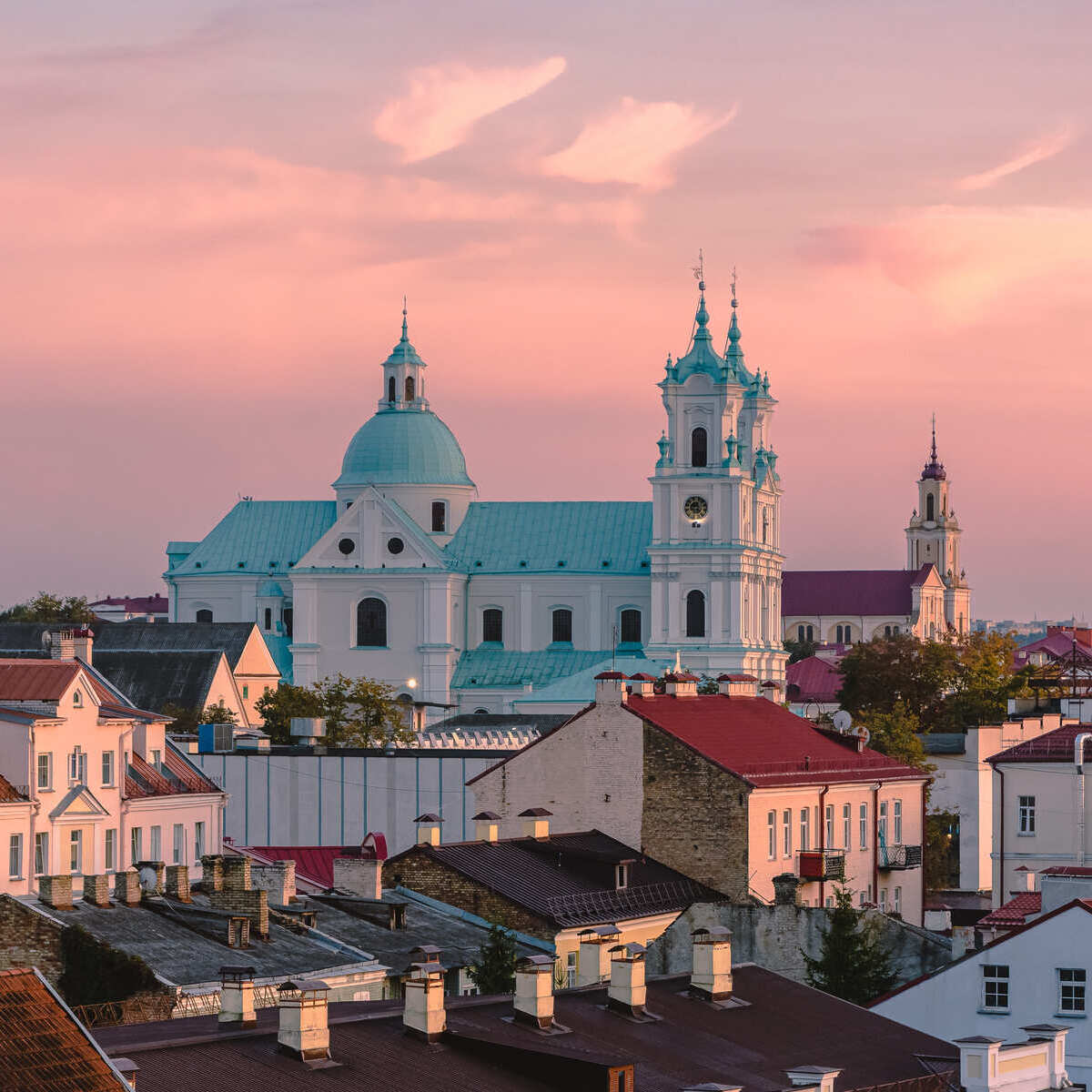
Located in Western Belarus, close to the Polish and Lithuanian borders, it’s a postcard-ready medieval treasure residence to Renaissance gems, medieval forts, richly-decorated church buildings, and a spotless, lamp-lit Old Town that places Paris’ trash-filled backstreets to disgrace.
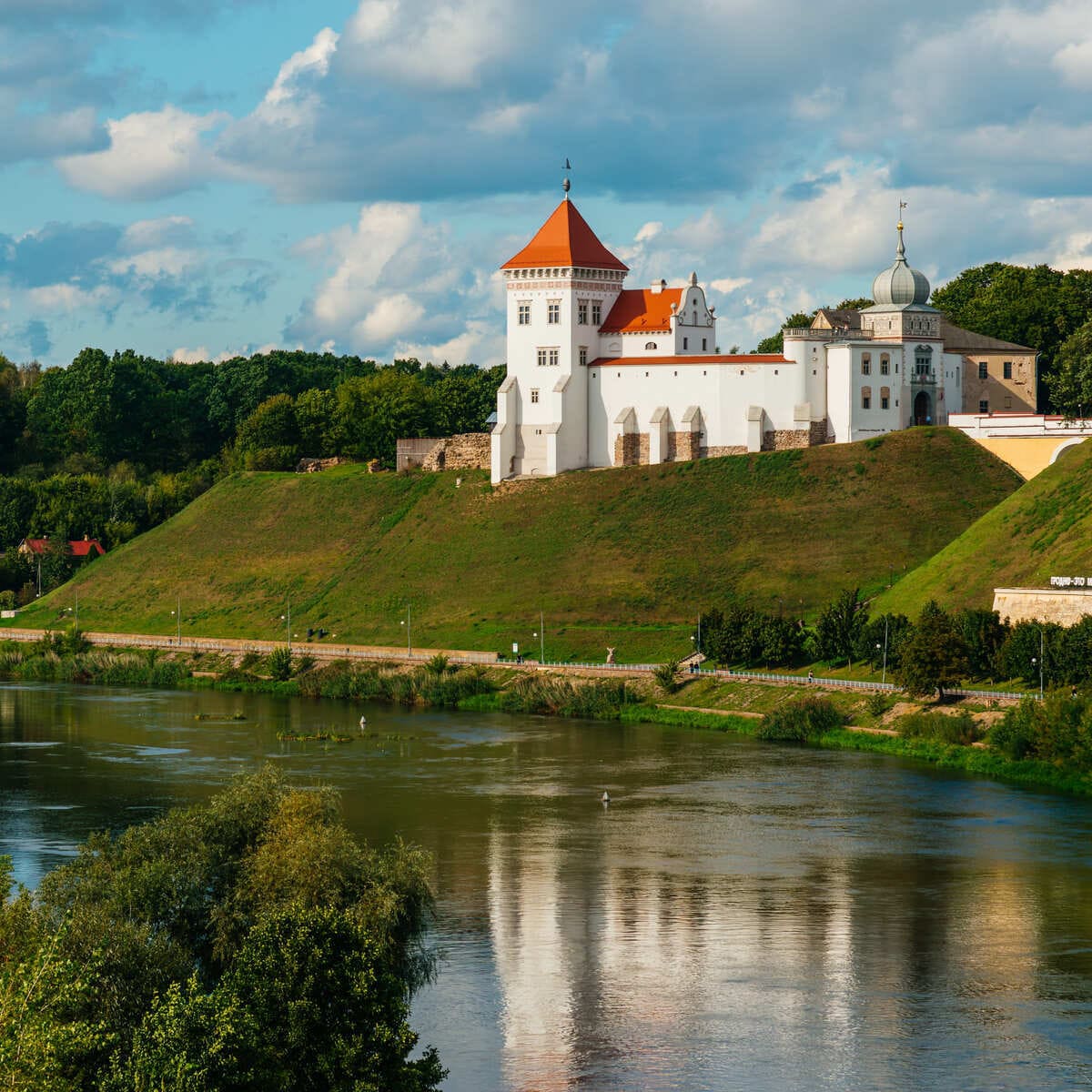
Old Hrodna Castle is the principle attraction right here: a stunner of a medieval fortress with whitewashed partitions perched on a verdant mound, overlooking a scenic Neman River. In its inside, you will discover a detailed museum chronicling the area’s historical past and key function in World War II.
Just be sure you obtain an offline translation app in case reception is poor, as until issues have modified in Belarus (and I doubt that is the case), English translations most likely will not be accessible at reveals.
With a contrasting Saxon structure, New Hrodna Castle is town’s second-most necessary palace, constructed within the 18th century, and as soon as the residence of Polish kings. In case you were not conscious, Western Belarus was as soon as underneath Poland.
Sovetskaya Street is the principle vein within the walkable Old Town, lined with cafés, outlets, and Polish-era structure.
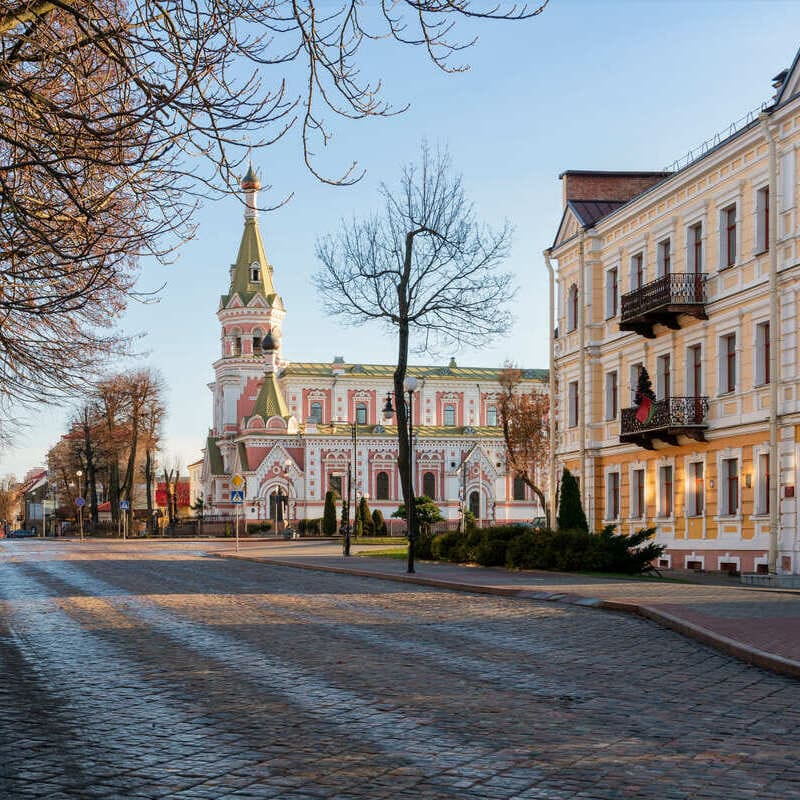
The Great Synagogue, which appears extra like an Opera House, with its mix of Renaissance and Baroque kinds, has been on the coronary heart of Jewish life in Hrdona because the Sixteenth-century, and it is one of many metropolis’s most spectacular factors of curiosity.
For the historical past buffs on the market, one of many oldest surviving buildings in all of Belarus is positioned proper right here:
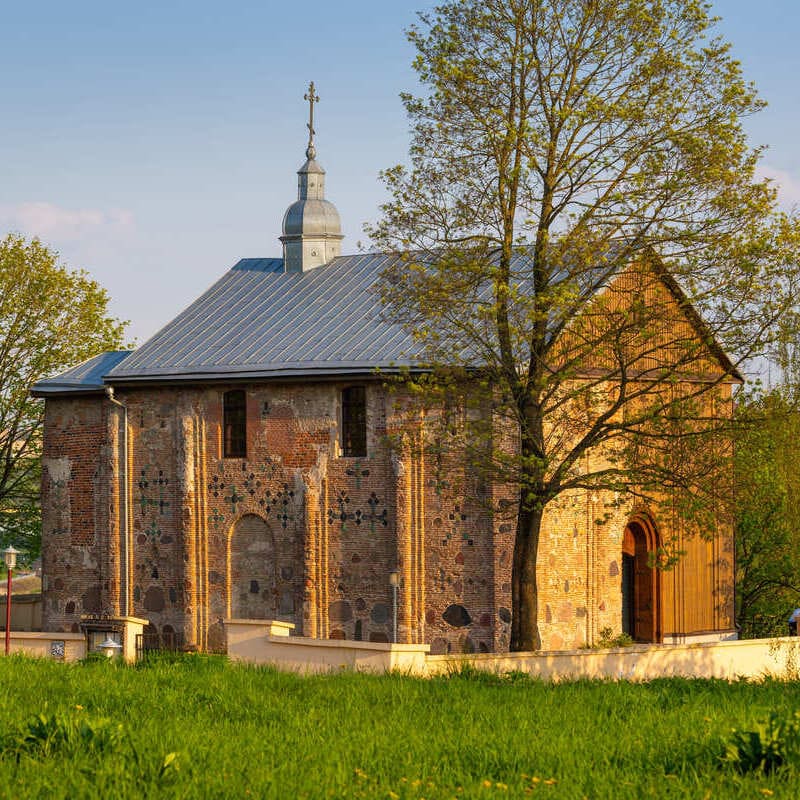
Kalozha Church of Saints Boris and Gleb, an unassuming, however lovely marvel of stonework that has stood intact for over 900 years. No World War, no Cold War-era blight, no communist takeover might obliterate its quiet greatness.
The Vibe: a little bit slice in Poland in Russia-friendly territory
Perfect For: Old Town walks and unconventional World War II historical past
The ‘Don’t Miss’ Experiences:
- Old Hrodna Castle: ranks among the many most lovely medieval castles in Belarus
- Kalozha Church of Saints Boris and Gleb: a Twelfth-century stone church that survived the wars and the communist years unscathed
Brașov, Romania
My dislike of Bucharest—to place it mildly—is well-documented and made sufficient rounds on Romanian media, so let me redeem myself and say, as unimpressed by their capital as I could have been, I utterly fell in love with Brașov.
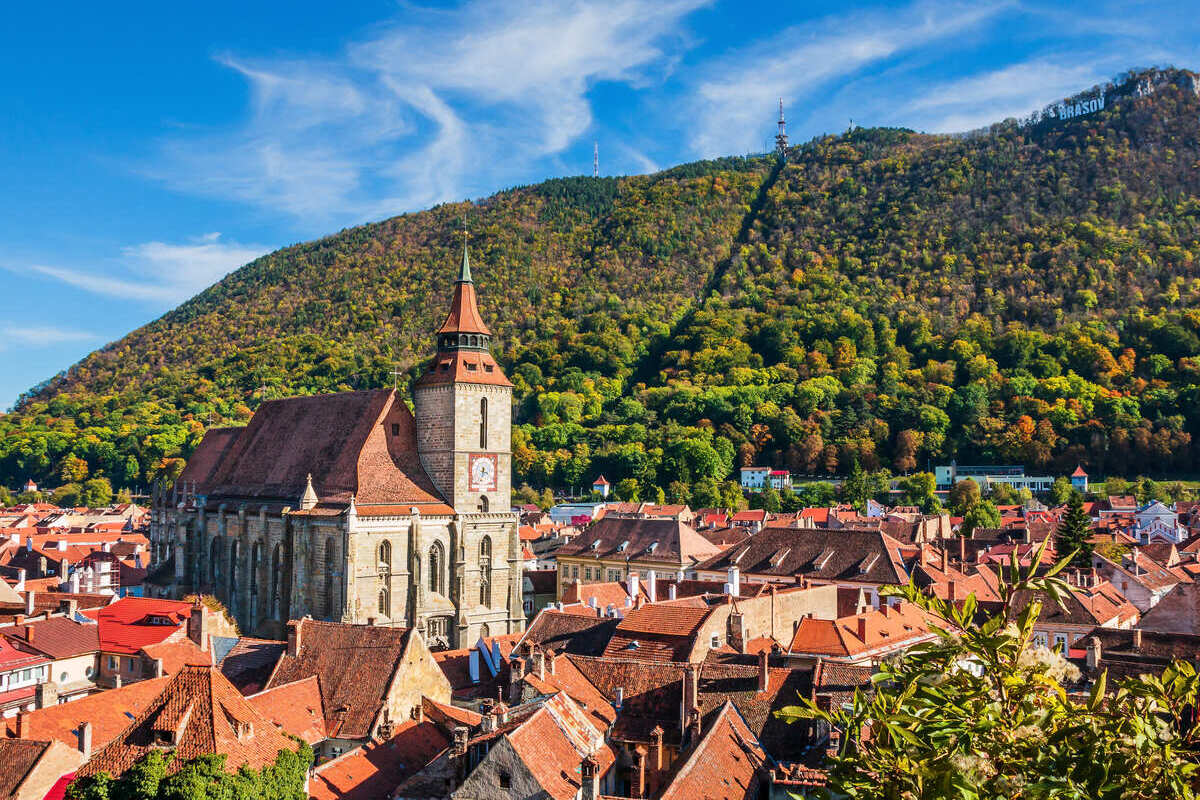
I like my European cities to have their fairytale medieval core, cobblestone lanes that seem like they may belong in a interval drama, and Old World aptitude. Brașov checks off all of these bins.
Nestled within the coronary heart of Transylvania, the identical mystical area that birthed the legend of Dracula, and the historic determine of Vlad the Impaler himself, Brașov is steeped in historical past.

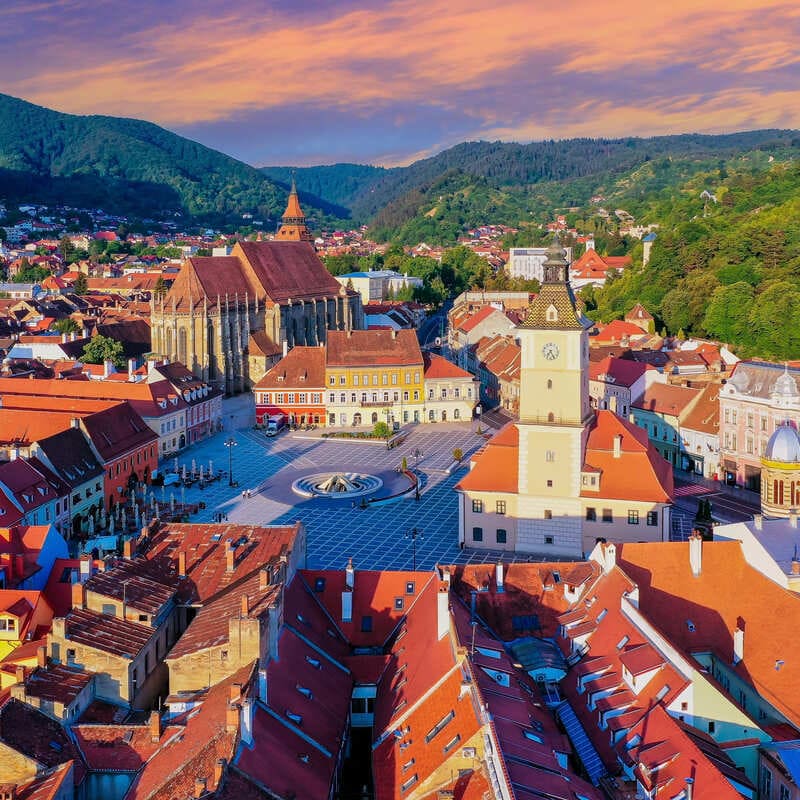
It has a pedestrianized Piața Sfatului (Main Square), with a centrally-placed Council House center courting again to the 12 months 1420, and flanked by cozy café terraces.
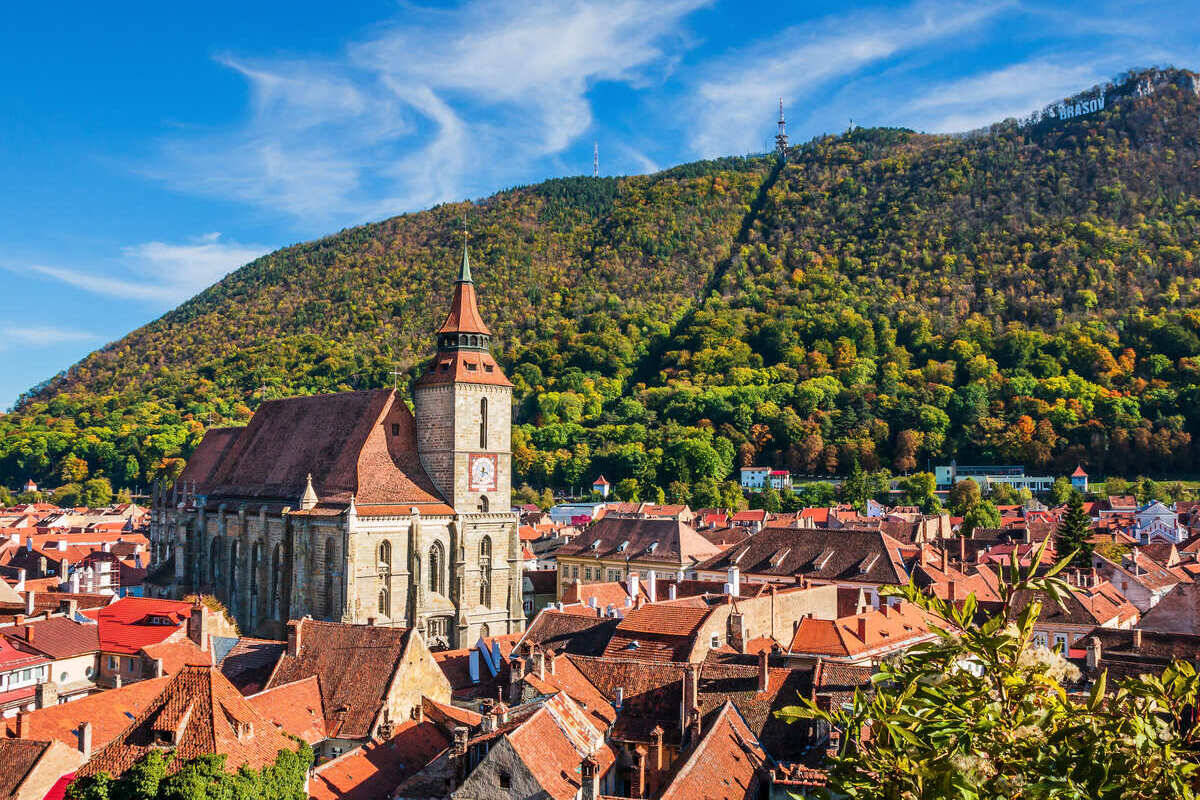
Built from dark-brick, Biserica Neagră (Black Church) is the city’s most spectacular monument, with a sturdy clock tower rising excessive above winding alleys and red-tiled roofs, and a solemn Gothic inside, a one in all a sort in a predominantly-Orthodox Romania.
Add to that ornate metropolis gates, conventional Transylvanian pubs meting out hearty ciorbă and made-on-the-spot recent lemonade, and luxurious mountains framing the Old Town: Brașov sits firmly on the tourist-friendly, polished, inoffensive however undeniably fairly aspect of Europe.

The Vibe: medieval city with a haunting church in Transylvania
Perfect For: discovering Romania’s historic allure past an uninspiring Bucharest
The ‘Don’t Miss’ Experiences:
- Strada Sforii: one of many narrowest medieval streets in Europe
- Bran Castle: the epic ‘Dracula Castle’, a brief 30 min drive from Brașov
Tiraspol, Moldova

That’s when issues begin getting a tad—properly, really—correctly thrilling for our most adventurous travellers.
You may’ve vaguely heard of Moldova, a tiny nation in Eastern Europe awkwardly wedged between Romania and Ukraine, however we would wager our greatest vampire-repelling garlic neckpiece that Tiraspol (or Transnistria) is utterly off your radar.
Moldova’s mainly an extension of Romania, however Tiraspol reckons itself the capital of a breakaway Russian-backed state referred to as Transnistria, a rustic that doesn’t formally exist, but in some way manages to operate like one on all fronts.
Transnistria has borders, their very own flag and forex, a passport (acknowledged solely in Transnistria, and perhaps different weirdo breakaway states), and locals strongly establish with their Russian heritage, and what can I say?
You simply cannot escape the USSR hangover in Tiraspol:
Stalinist buildings, Neoclassical columns and austere exterior and all, extensive squares along with your ordinary, eerie-looking floating Lenin head within the heart, and decades-old marshrutkas that also carry the grumpy Russian babushkas (kokum scarf and all) from their brutalist property to the Sunday market.
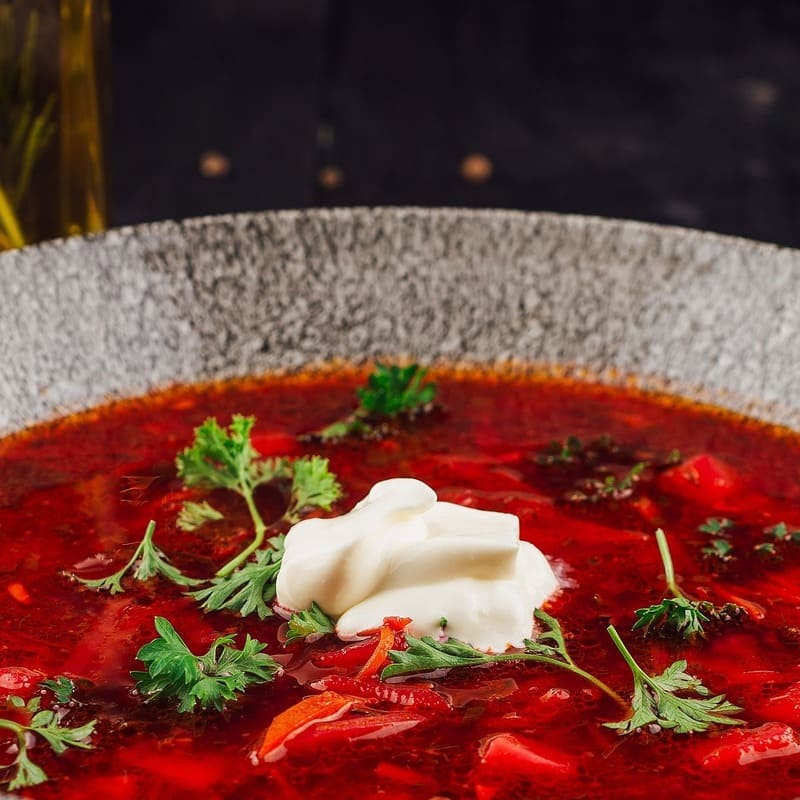
Tiraspol just isn’t someplace you go for sightseeing, correct. It’s like a pervy little window again into Soviet occasions, and that is why it is so inherently fascinating—and naturally, pelmeni and borscht are two large attracts, not less than for me.
The Vibe: Soviet time capsule with an actual Russian grip
Perfect For: seeing a aspect of Europe most Paris and London-bound vacationers won’t ever get to see
The ‘Don’t Miss’ Experiences:
- House of Soviets: probably the most spectacular communist landmark in Tiraspol, nonetheless a preferred gathering spot
- Shevchenko Park: a lush expanse of inexperienced very best for chill walks and people-watching
Narva, Estonia
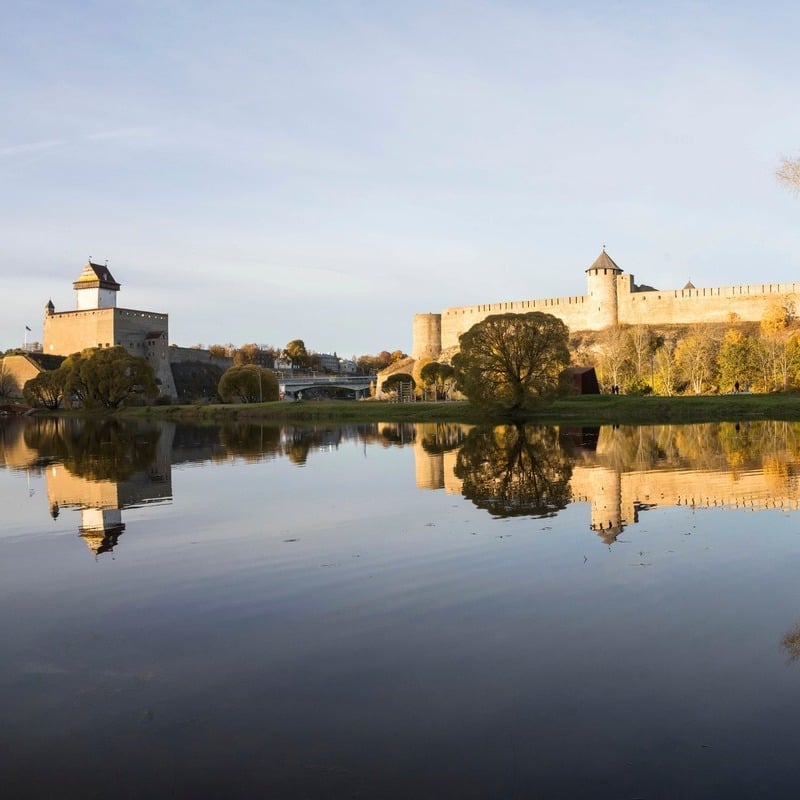
Speaking of Russia’s neighbors, Narva is presumably probably the most picturesque border put up in Eastern Europe. I imply, Tallinn (the capital of Estonia) is already storybook-pretty, however have you ever ever seen a frontière metropolis with an imposing medieval citadel sitting throughout a river from one other fortress abroad?
Narva straight faces Russia, and its historic Narva Castle, constructed all the way in which again within the Middle Ages, stares down at Ivangorod Fortress, over in Russia., Both are separated by a 60-meter-wide physique of water.
It’s one in all Europe’s most geographically intense places, in addition to some of the thrilling.
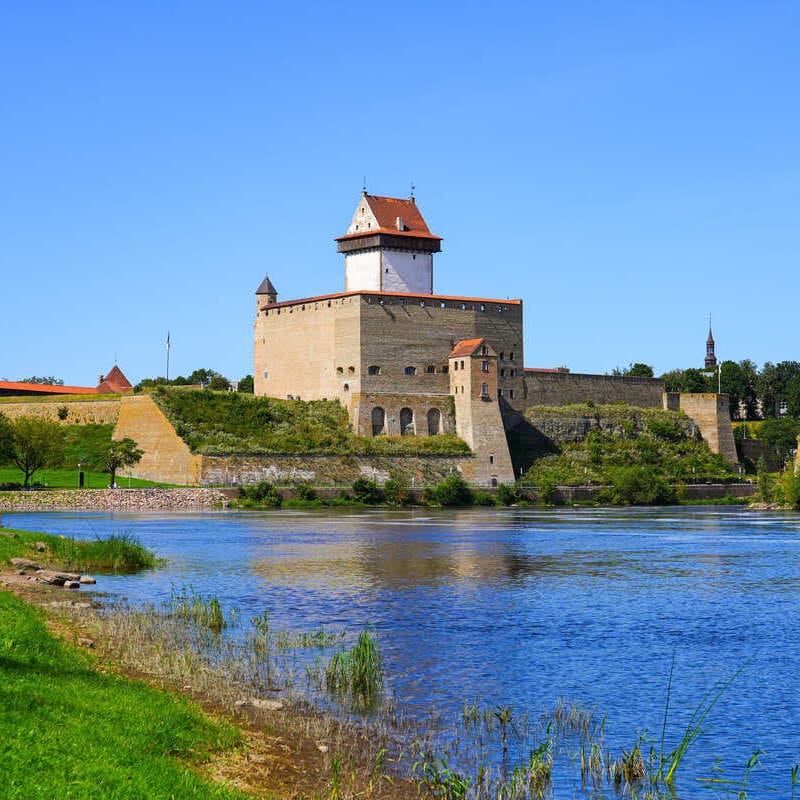
The castles could have been constructed ages in the past, however evidently, that medieval beef by no means fairly cooled off, and as a Westerner, Narva is just one of many closest factors you may get to Russia lately with out placing your self in hurt’s method.
The city is a lesson in geopolitics in itself: over 80% of the inhabitants identifies as, and speaks Russian as their first language, so you will actually really feel such as you’re within the Tolstoy heartland, besides it is Estonia’s blue, black, and white tricolor flag that flies excessive on perfectly-visible masts.
Sadly, it won’t be attainable so that you can get throughout the river and discover Ivangorod Fortress, however you’ll be able to nonetheless go to Narva Castle and stroll alongside the Narva River promenade, with views straight throughout to Russia.
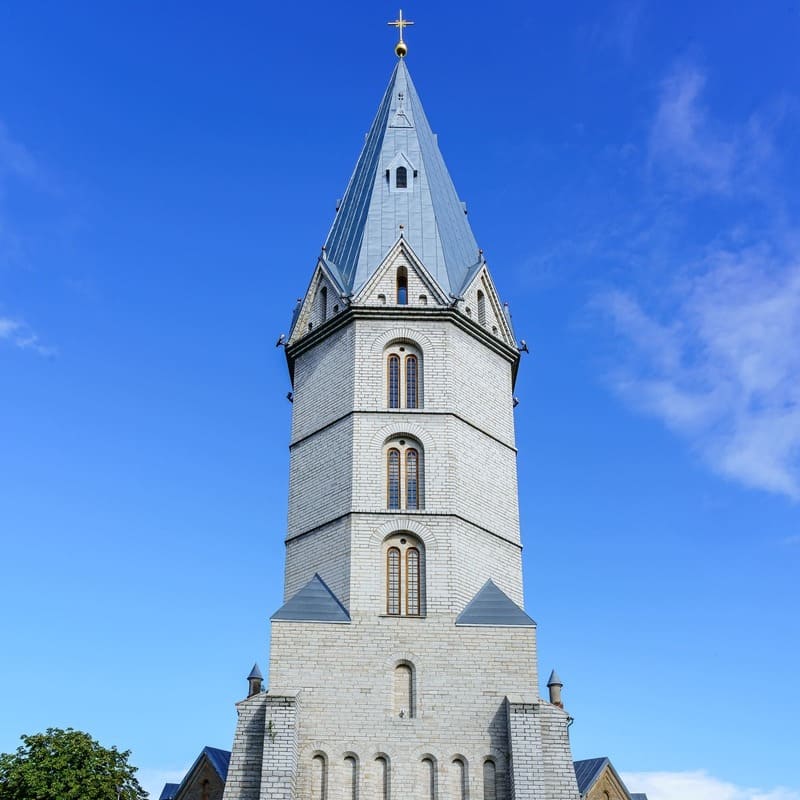
Narva can also be residence to the landmark Alexander’s Cathedral, inbuilt honor of the namesake Russian Emperor within the Lutheran fashion.
The tower is open for visitation, and you’ll go as much as the viewing deck on the very prime for panoramic views of city, Russia within the distance, and the encompassing countryside.
Oh, and for that killer cabbage soup, hit up Petchki-Lavotchki, a typical ruski eatery within the coronary heart of Narva standard for its Slavic fare—be sure you order a jug of their recent compote.
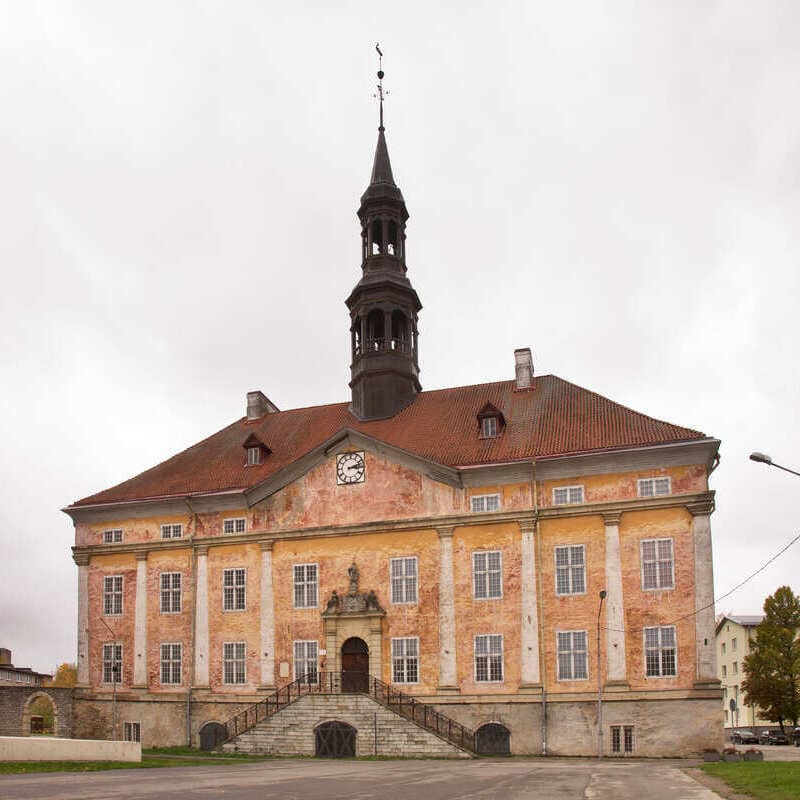
The Vibe: fringe of the EU really feel
Perfect For: a little bit darkish tourism enjoyable and a few good previous citadel exploration
The ‘Don’t Miss’ Experiences:
- Narva River Promenade: admire Russia in full security from a NATO territory
- Alexander’s Cathedral: a Czar-era landmark with a placing belfry
Prizren, Kosovo

A sleepy riverside city in landlocked Kosovo, Prizren serves up an entire completely different flavour of Eastern Europe than you may be anticipating.
Instead of the same old Russian-flavoured cityscape, it’s undeniably-Ottoman (fancy phrase for Turkish) in character: suppose previous mosques with hovering minarets, two or three-storey townhouses with overhanging picket balconies, and slender cobbled streets galore.
It hugs the fast-flowing, coppery Bistrica River, and the Shadervan Bridge that arches throughout it—a traditional Ottoman stone magnificence—is true up there with Spain’s Puente Nuevo in Ronda and Bosnia’s Stari Most within the Iconic European Bridges Pantheon.

At least in my ebook, anyway.
Walking round Prizren appears like getting into an open-air museum, one the place the conflict of East and West is a residing, respiration factor.
Mosques and church buildings exist only a few metres aside, and ladies dressed each conservatively inside Islam, and à la européenne, stand aspect by aspect as they go about their each day buying. Utterly mesmerizing.
For the perfect sundown spot in all of Prizen, you will wish to climb as much as Prizren Fortress, the traditional fortification on a hilltop overlooking town and the encompassing mountains. ‘Mon, a little bit leg-busting trek will not damage ya’.
I also needs to most likely point out Kosovo is primarily an ethnically-Albanian nation, so in case you have a gentle spot for baked lamb with yoghurt and rice-stuffed bell peppers, you’ve got come to the fitting place.

The Vibe: an unspoiled Ottoman city within the coronary heart of the Balkans
Perfect For: witnessing firsthand the conflict of East and West
The ‘Don’t Miss’ Experiences:
- Old Hrodna Castle: ranks among the many most lovely medieval castles in Belarus
- Prizren Fortress: a hilltop fort doubling as a free sundown viewing platform
Take this quiz to search out your good match!

