
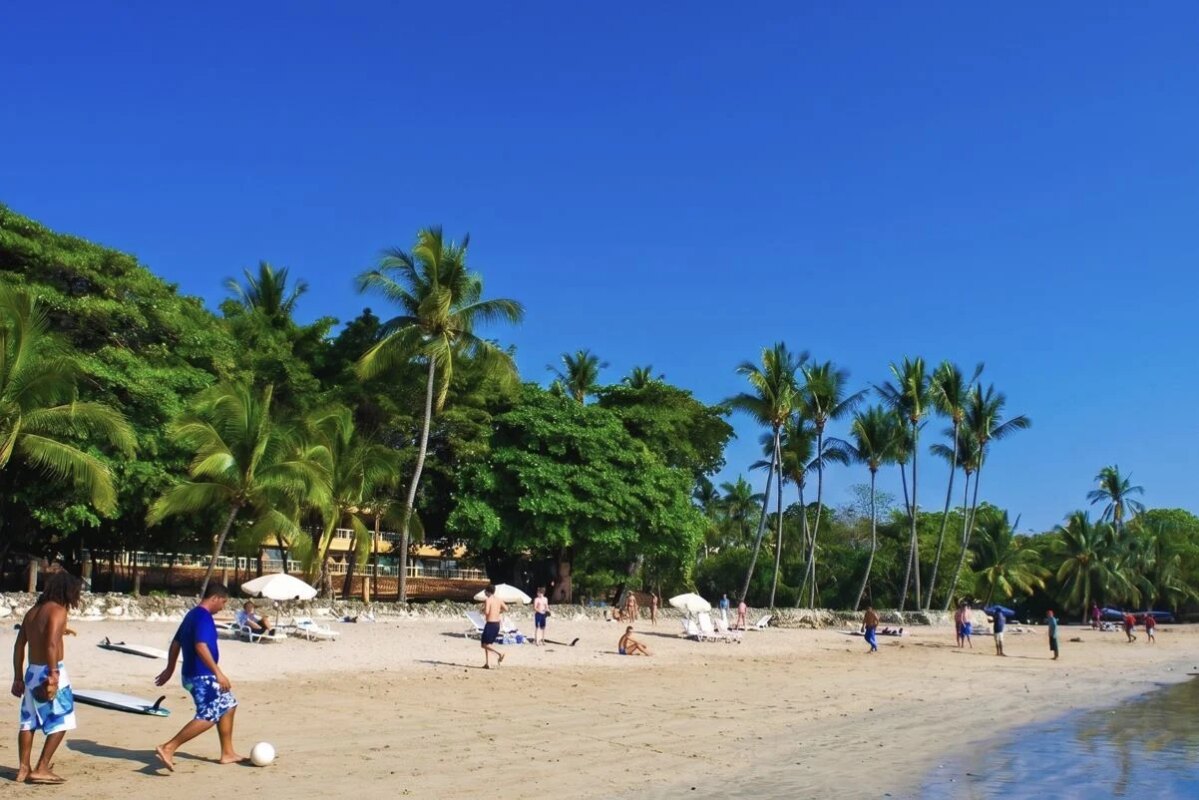
You spend months planning the perfect tropical getaway. You book the flights, secure an incredible rental house right by the sand, and start counting down the days until you can finally trade your daily routine for a lounge chair and an ocean breeze. The last thing on your mind is dealing with an unexpected medical situation while you are supposed to be relaxing. However, nature sometimes has a way of throwing a curveball, and travelers heading to one of the most popular vacation spots in Central America need to pay close attention to a brand new warning.
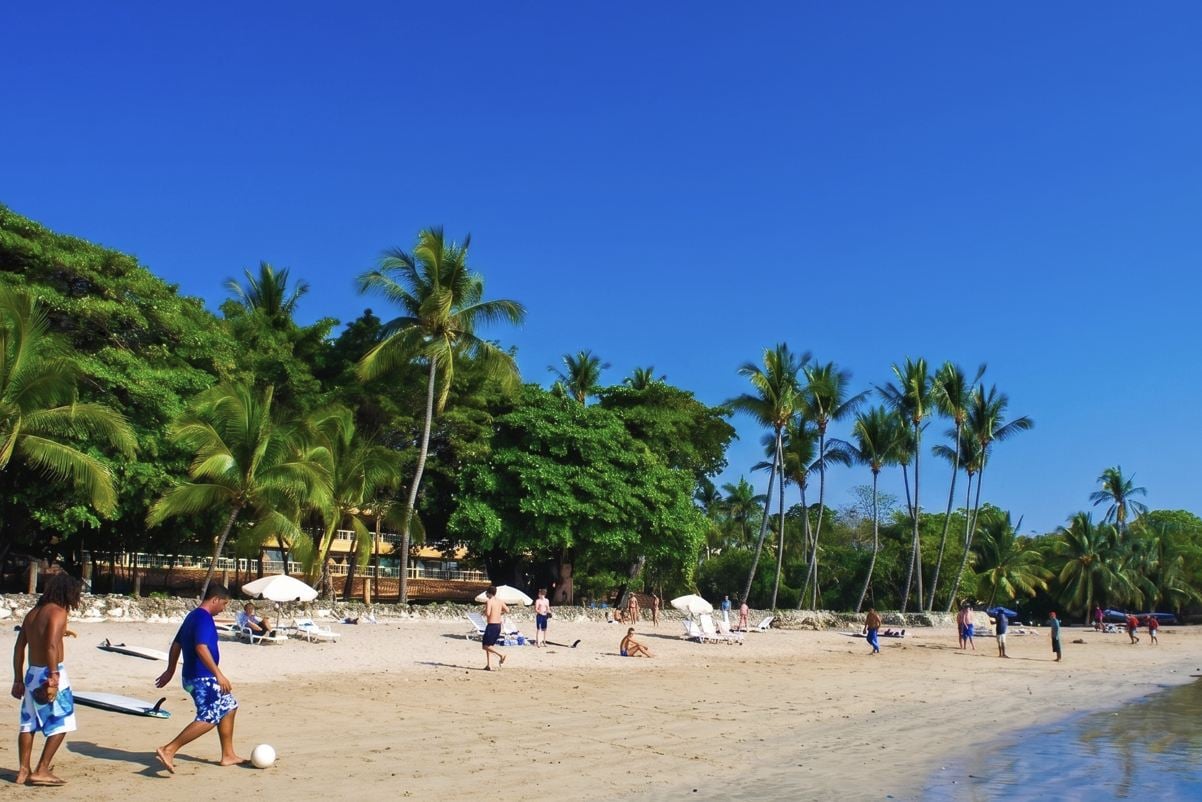
The U.S. Embassy has officially issued a health alert for an incredibly famous beach destination, and it is catching a lot of tourists entirely off guard. When an embassy puts out an official notice, it is always worth taking a few minutes to understand exactly what is happening on the ground before you pack your bags. If you have a trip planned to this region anytime soon, here is everything you need to know about the current situation, what is spreading, and how you can protect your much-needed vacation.
The Iconic Beach Town Facing A Sudden Outbreak
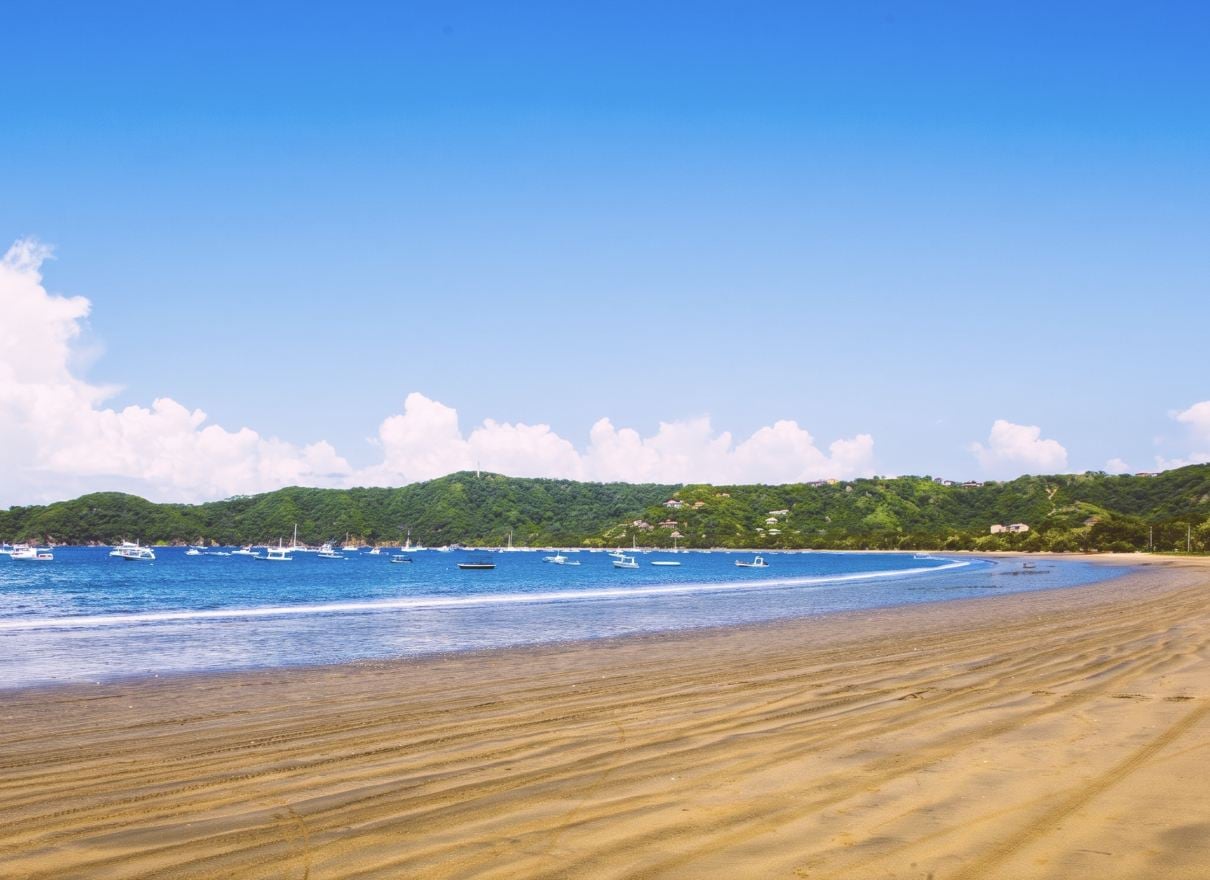
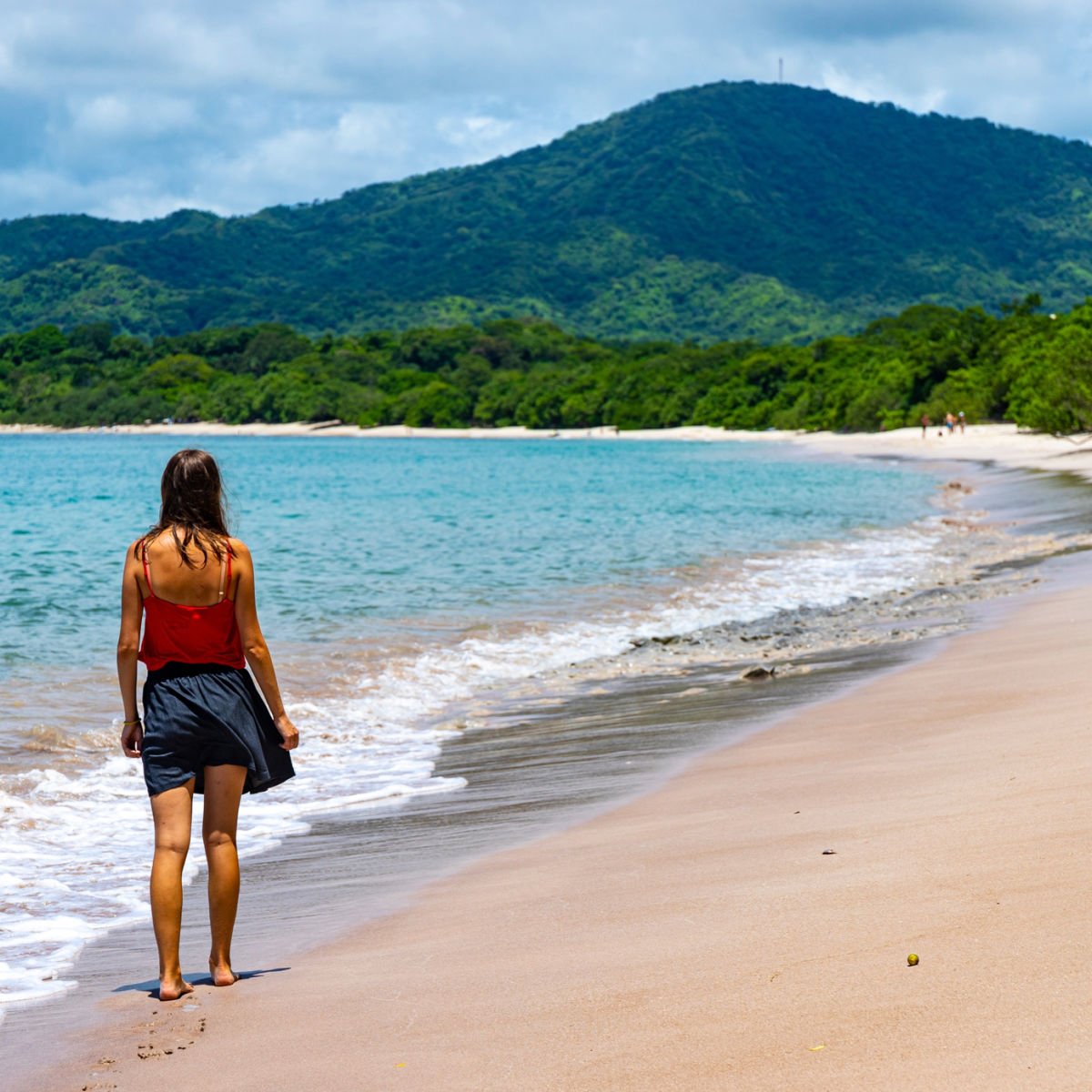
The destination in the spotlight is Playa Langosta, located in the gorgeous Santa Cruz area of Guanacaste, Costa Rica. If you have ever looked into a Costa Rican vacation, you already know that the Guanacaste coast is an absolute magnet for American travelers. It is famous for its world-class surfing, stunning sunsets, high-end resorts, and incredible luxury rental homes. It is the kind of place where people go to disconnect and enjoy the “Pura Vida” lifestyle.
However, the Costa Rican Ministry of Health recently declared an active outbreak in the Playa Langosta area, prompting the U.S. Embassy in San Jose to release a formal health alert for citizens traveling to the region. The alert confirms that multiple people have fallen ill, and the cases include both local Costa Rican nationals and foreign visitors. Health officials have investigated dozens of suspected cases in the immediate area, with several already confirmed and many more classified as probable.

What Exactly Is Spreading Right Now
The virus at the center of this embassy alert is chikungunya. While the name might sound unfamiliar to some travelers, it is a virus that spreads primarily through the bites of infected mosquitoes. What makes this specific alert so important for vacationers to understand is the concept of local transmission.
Local transmission means that the virus is not just being brought in by travelers who caught it somewhere else and flew into the country. Instead, the virus is currently circulating within the local mosquito population right there in the Playa Langosta area. If a mosquito in the area bites someone who has the virus, that mosquito can then pass it on to the next person it bites, whether that person is a local resident or a tourist enjoying a week at the beach. Because Playa Langosta and the broader Guanacaste coast see massive numbers of international visitors, the embassy wants to make sure everyone arriving is fully aware of the risk.

Symptoms Vacationers Need To Watch For
Catching a virus on vacation is a quick way to ruin a trip, and chikungunya brings a specific set of symptoms that you definitely do not want to deal with while trying to enjoy a beach day. The embassy alert highlights exactly what travelers need to be watching out for if they are spending time in the Guanacaste region.
The most prominent symptom is a sudden, high fever that spikes above 102 degrees Fahrenheit. Along with the intense fever, the virus is notorious for causing severe joint pain and noticeable swelling. Other common symptoms include persistent headaches, nausea, and a general feeling of being unwell and entirely drained of energy. These symptoms can hit hard and fast, easily confining you to a hotel bed for the remainder of your trip. If you start feeling any of these symptoms during your time in Costa Rica or even shortly after you fly back home, it is incredibly important to seek medical attention immediately and mention your recent travel history to the doctor.
How To Protect Your Tropical Getaway
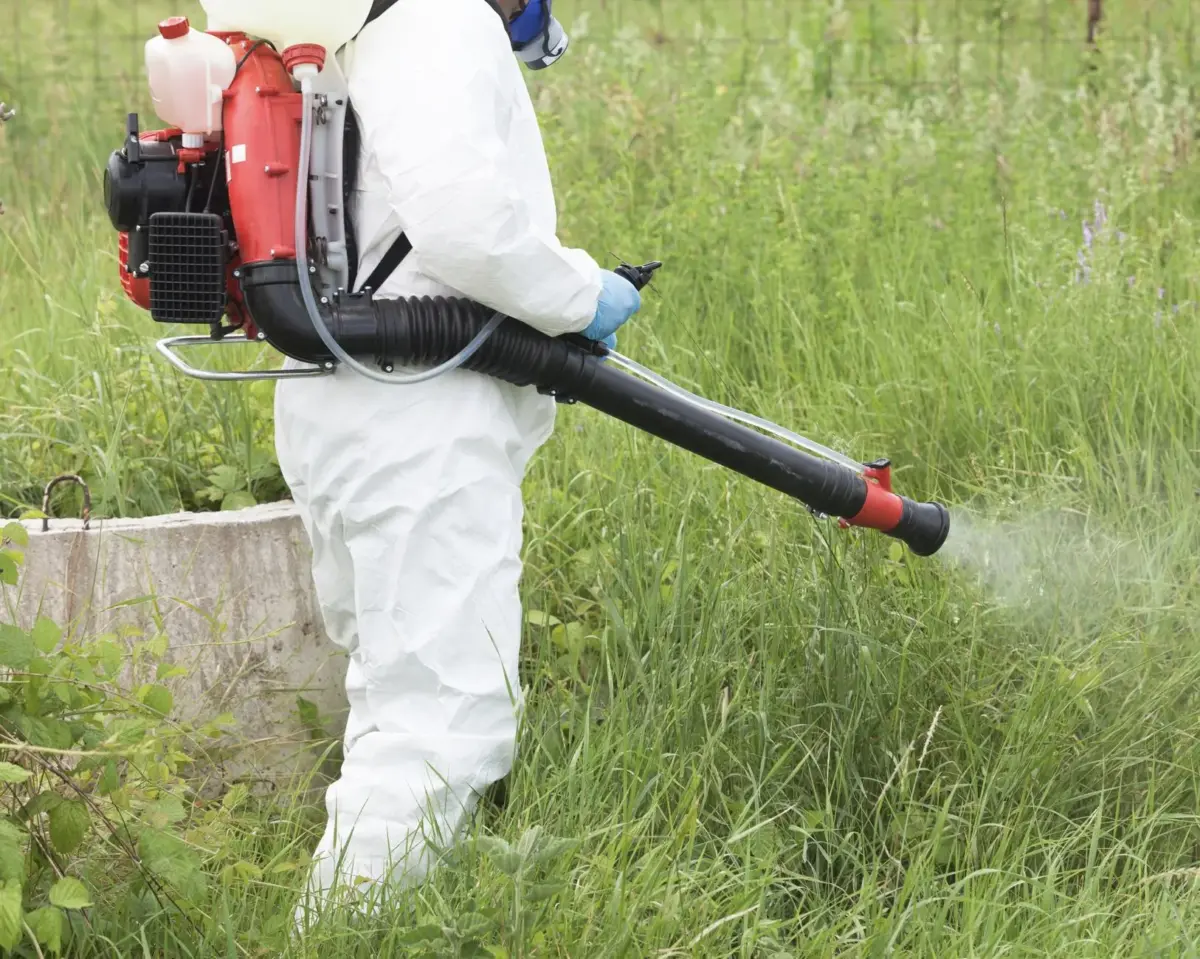
The tricky thing about chikungunya is that there is no vaccine widely available or recommended for routine travelers right now. You cannot just get a quick shot before your trip to make yourself immune. The absolute best and only real line of defense is completely avoiding mosquito bites while you are enjoying your time in the sun.
If you are heading down to Guanacaste, you need to take bite prevention seriously. Pack a high-quality, EPA-registered bug repellent that contains active ingredients like DEET, picaridin, or IR3535. Apply it religiously, especially during the early morning and late afternoon when mosquitoes are most active. While it is tempting to live in a bathing suit all day, try to wear long sleeves and lightweight pants when it is practical, especially if you are hanging out outdoors in the evening.
Your choice of accommodation also plays a massive role in your safety. Try to spend your indoor time in places that have strong air conditioning or well-maintained window screens to keep the bugs outside where they belong. If you are staying in a private rental home or an Airbnb, do a quick walk around the property when you arrive. These specific mosquitoes love to breed in tiny amounts of stagnant water. Empty out any standing water you see in decorative pots, buckets, pool toys, or outdoor shower drains. Taking five minutes to dump out standing water around your patio can dramatically reduce the number of mosquitoes hanging around your lounge chair, ensuring you bring home nothing but good memories and a great tan.
The Current Travel Advisory For Costa Rica
While this specific health alert is focused entirely on a localized viral outbreak, it is always a smart move to review the broader security situation before you board your flight. Right now, the United States State Department places Costa Rica under a Level 2 travel advisory, which simply tells visitors to exercise increased caution. This rating is primarily due to opportunistic crimes like petty theft, pickpocketing, and the occasional rental car break-in, which is actually the exact same advisory level currently assigned to major European destinations like France, Italy, and the United Kingdom.
For a much more realistic look at what is happening on the ground right now, the Costa Rica Traveler Safety Index, which is calculated using real-time votes from travelers currently exploring the country, is sitting at a strong score of 84. The reality is that the country remains overwhelmingly safe and welcoming for tourists, provided you use basic street smarts, keep an eye on your belongings at the beach, and remember to pack your bug repellent.
You can read the full US Embassy health alert here.
The Travel Off Path Advantage: Your Travel Toolkit
Subscribe To Our Latest Posts
Enter your email address to subscribe to Travel Off Path’s latest breaking travel news, straight to your inbox.
