
If you’ve finally got that one week off and you’re thinking of winging it for that Eurosummer—we know, we’re too far into the season for careful planning—chances are you’re left gobsmacked with the prices right now.
Santorini’s definitely not on the table with the $800-a-night caldera-view villas. Those roundtrip flights to Rome could sooort of fit the budget but then there’s all the museums, new entry fees, and tourist taxes to be accounted for.
Oh, don’t even think about Paris. Even if you could afford it, it’s a hellish 104 degrees in the City of Lights right now.
If you’re hoping for something a little idyllic, a little beachy, but still steeped in Old World charm, and that most importantly, won’t empty your savings account, we’ve got just the right pick for you:
Bulgarian Summer Paradise Found
Bulgaria is maybe not the first destination that pops to mind when you think of Eurosummers. As one of our writers wrote upon his visit to Sofia, the Bulgarian capital, ‘I found nothing else worthwhile to do except drink cheap coffee and hide out from the rain‘.
I actually love Sofia myself, but hey, fair.
It’s maybe not the place you want to go if you’re not particularly crazy about commie-era architecture, and you’re looking for, you know, European-pretty streets and a more chill vibe.
Now, this town on the Black Sea Coast, on the other hand, is where Bulgaria starts feeling less like a backwater Eastern European country where time forgot to move on, and more like the Greece dupe you never knew you needed.
Let me preface this by saying it was actually the Greeks who founded it in the 6th century BC, and up to 1900, in fact, something like 89% of the town was still made up of ethnic Greeks, so it’s no wonder it feels Mediterranean-ish.
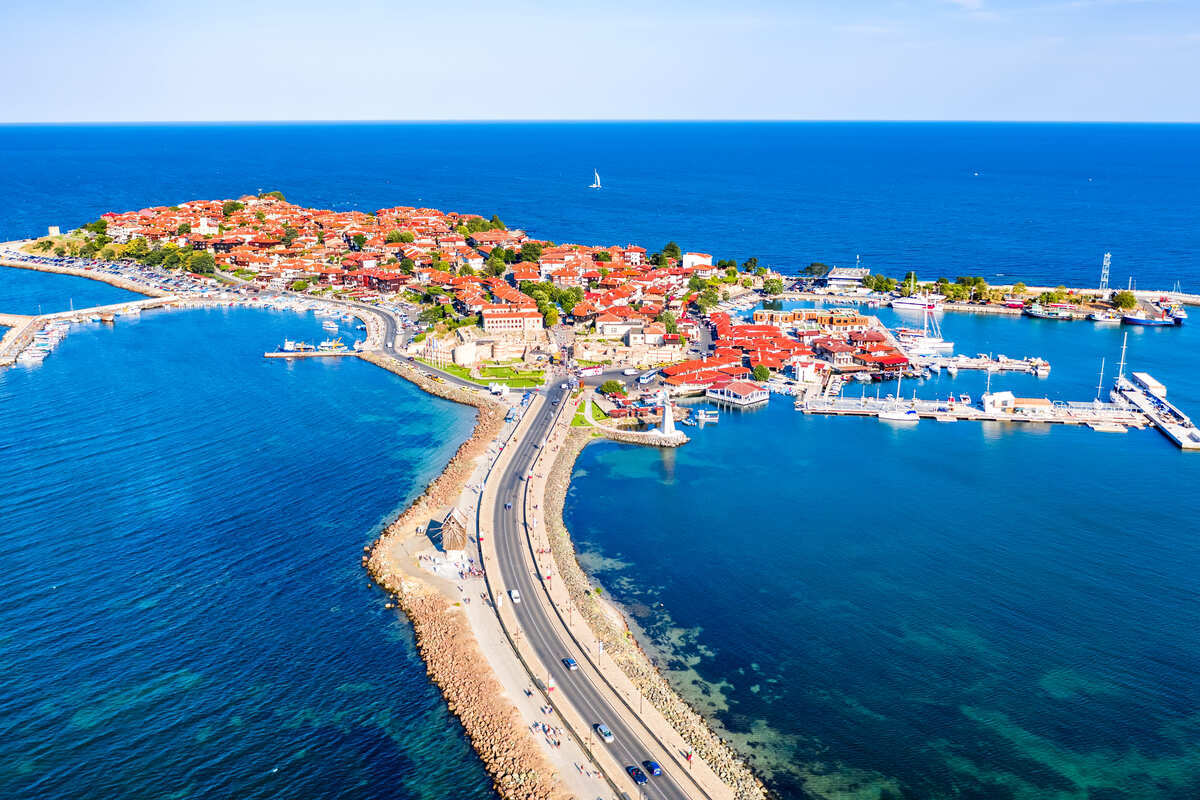
Nesebar is a town occupying a tiny islet just off the coast of Bulgaria—you know, there’s nothing the Ancient Hellenes were more allergic to than building on terra firme—connected to the mainland by a pedestrian-friendly causeway.
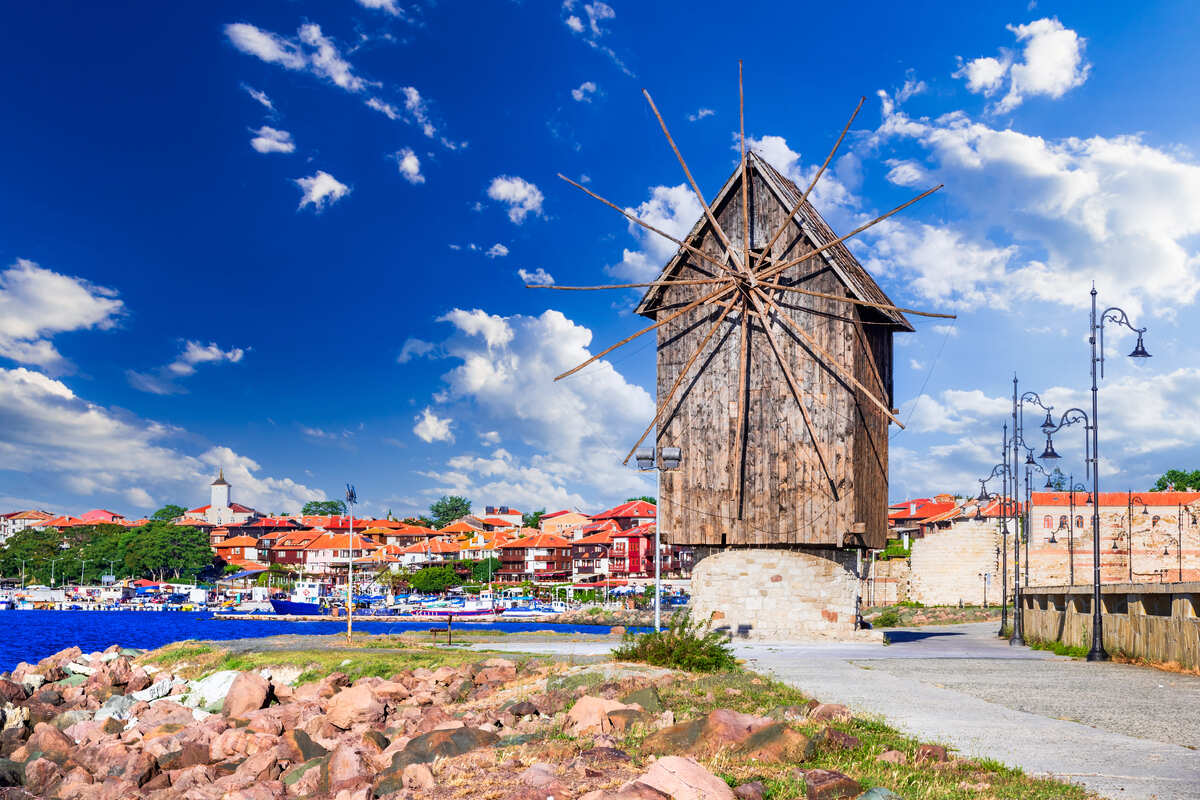
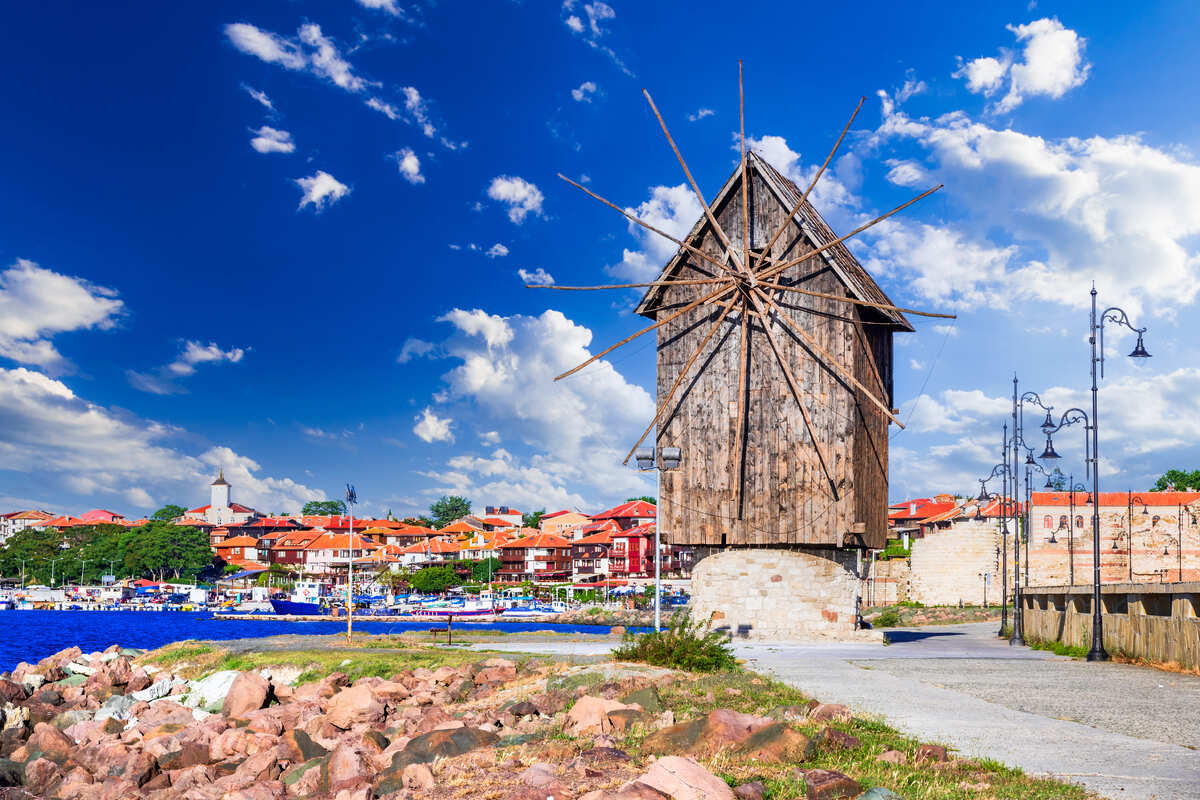
Just look at the pictures for a sec. It’s your every European summer dream realized.
A Picture-Perfect Ancient Town On An Island
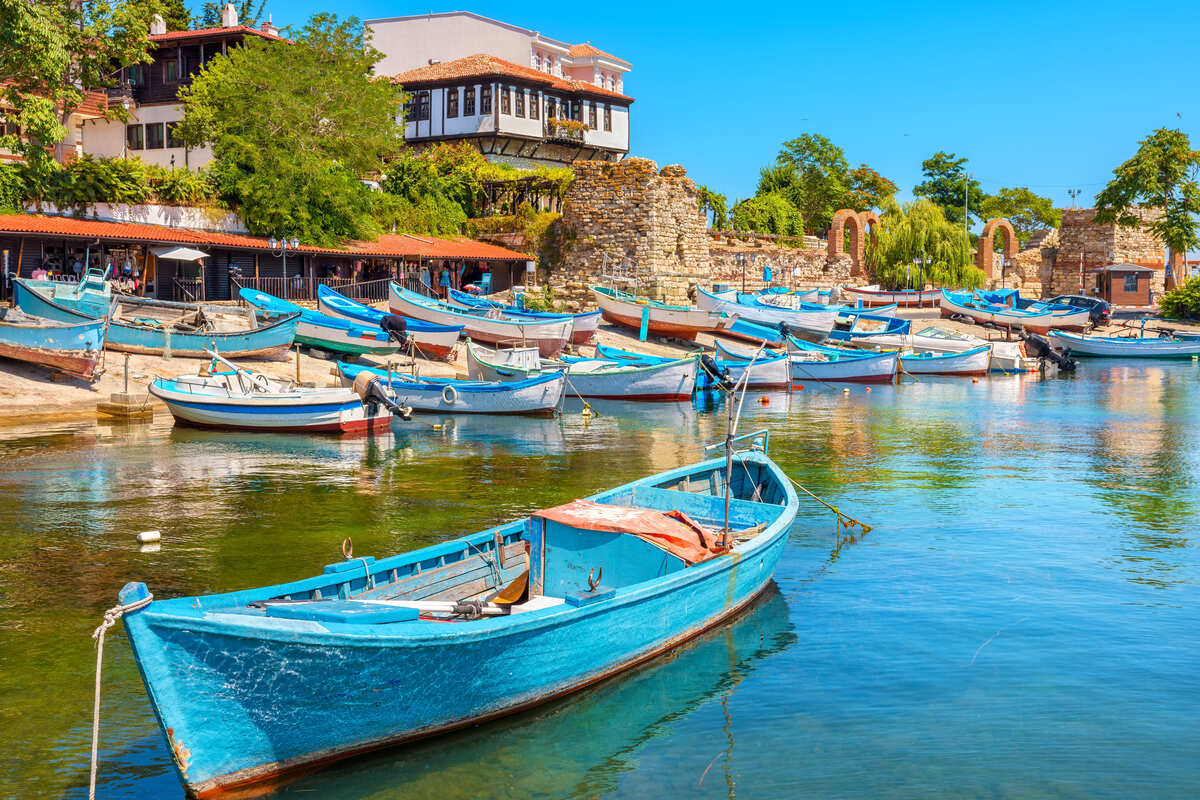
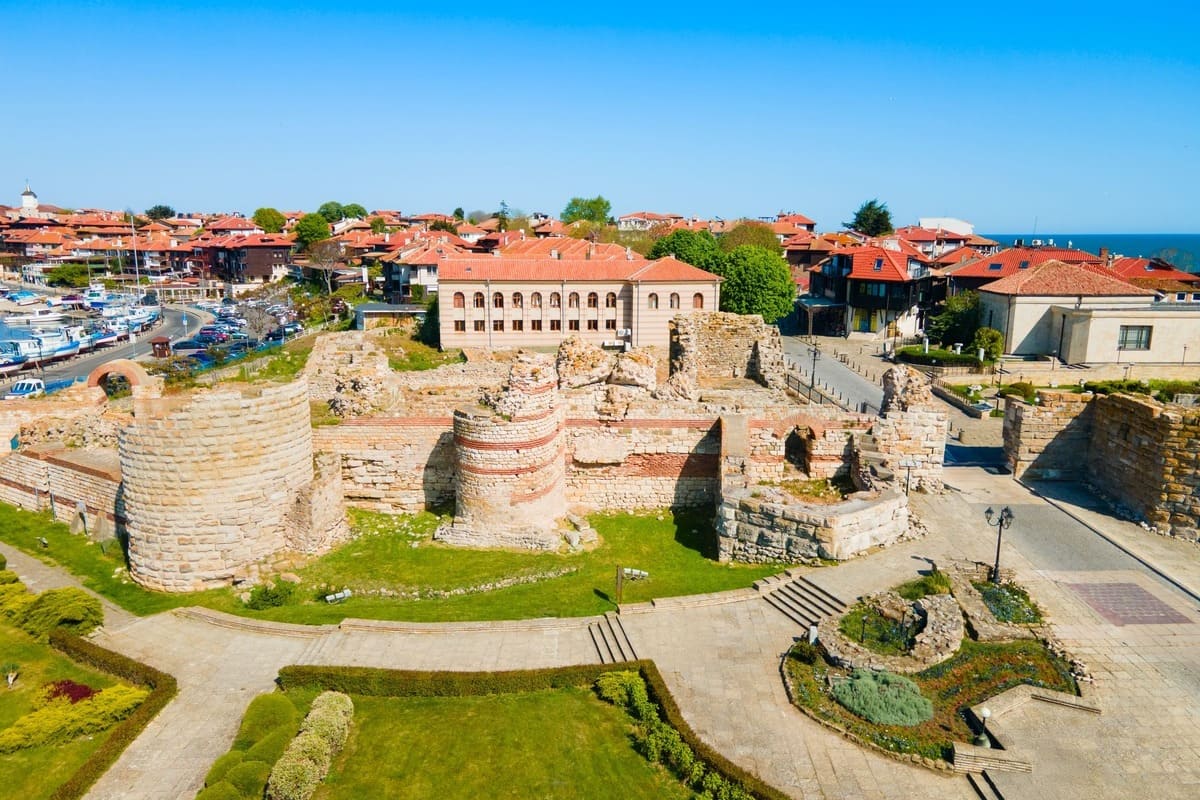
Nesebar is one of Europe’s oldest continuously-inhabited towns, and it’s UNESCO-protected center is an amalgamation of everything there once was (and still is): Greek, Roman, Byzantine, and finally Bulgarian.
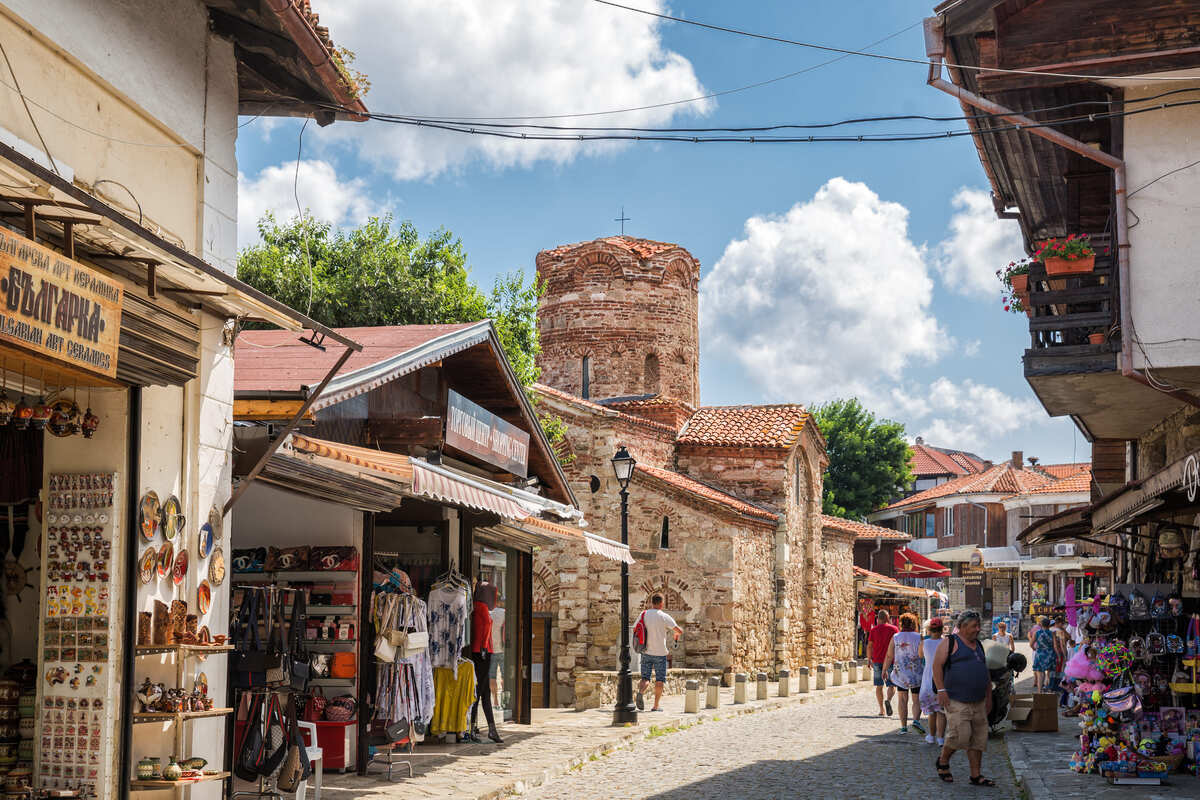
Unlike your average European open-air museum, however, this one isn’t some lifeless archaeological site with information boards hither and thither. People actually live amid the ruined basilicas and along those cobbled streets.
The traditional wooden houses you see, with the iconic protruding balconies that are the signature of Bulgarian Revivalist architecture, and the charming, rustic boutiques are actually owned by locals, not seasonal Airbnb rentals, and that’s what makes Nesebar so inherently special:
It’s not only picture-perfect, it feels lived-in, and you can’t always say that about the average Western European town these days.
Before we continue, you should know the European Union is changing its travel rules for Americans this year, and as a member state, Bulgaria isn’t exempt.
They’ve already brought in mandatory fingerprinting at airports—a measure that’s contributing to massive border delays—and soon enough, you won’t be able to fly to most European countries without applying for this new travel permit.
We know that’s a lot to stay up to date with, but the thing is, you don’t need to do all the heavy lifting and research. Just paste your destination on the Entry Requirement Checker, and it will do the work for you.
Ancient Ruins & Beaches All Within Walking Distance
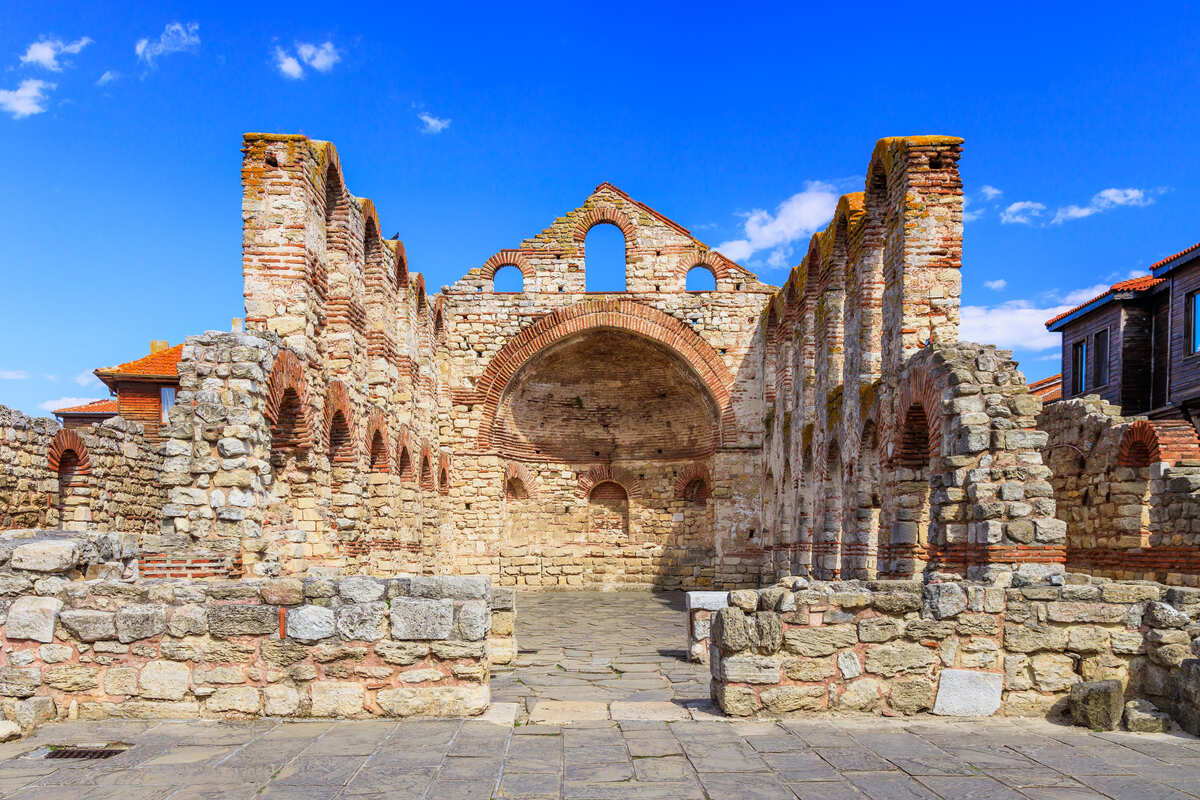
The highlight of any visit to Nesebar is simply walking the Old Town streets and exploring all its hidden courtyards.
There are ancient churches just about everywhere you look, like the Church of Christ Pantocrator, with a gorgeous, intricate brickwork, and the Church of Saint Sophia, a showpiece of Byzantine architecture, and if you think those Croatian coastal walls are impressive, wait until you see Nesebar’s.
Granted, they’re not as tall, but they surround the entire island it sits on, and as you walk the coastal loop, you’ll find remnants of defensive turrets and city gates that date all the way back to Antiquity.
This is the Black Sea Dubrovnik, folks.
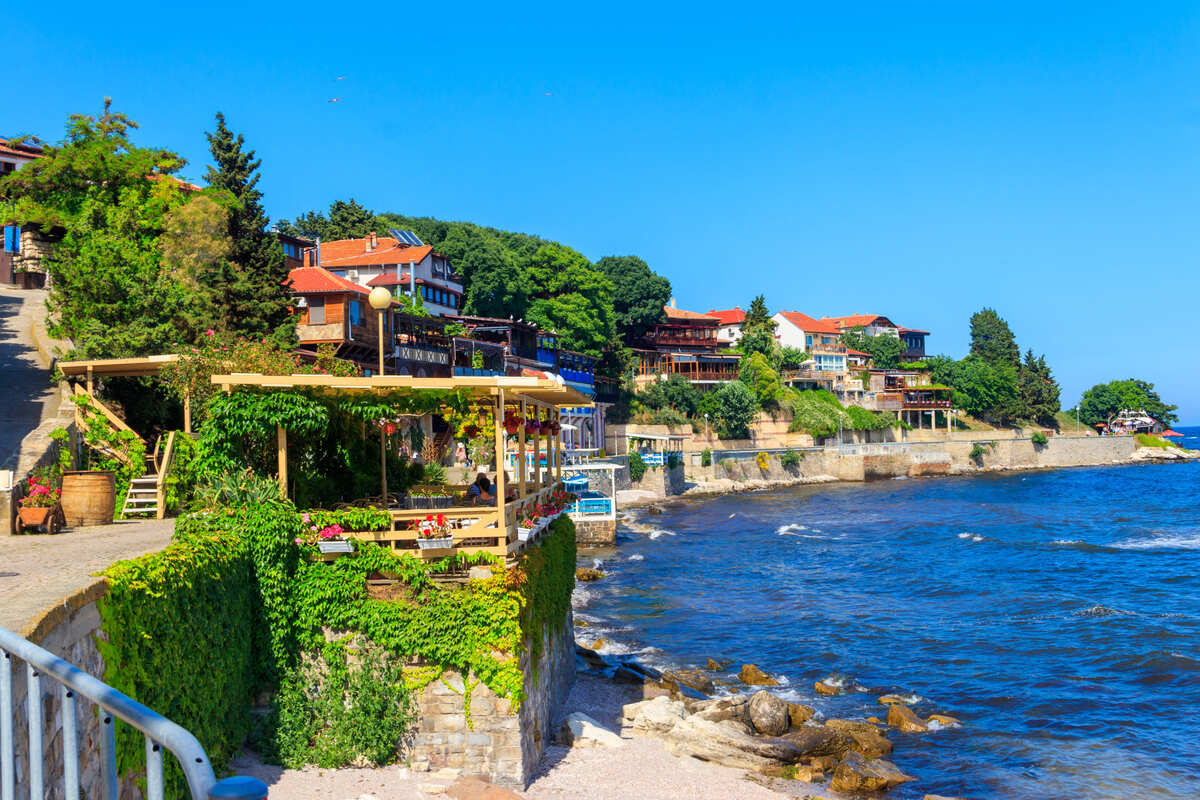
Nesebar is surrounded by water, and given the fact that it’s about as warm here as it gets in the Mediterranean in summer, chances are you’ll be wanting to go for a dip at some point.
For those staying in town, Buna Beach is the most accessible swimming spot: it’s a tiny beach tucked beneath the Old Town, perfect for a quick swim with the historic stone walls as a backdrop.
Golden Sands, Anyone?
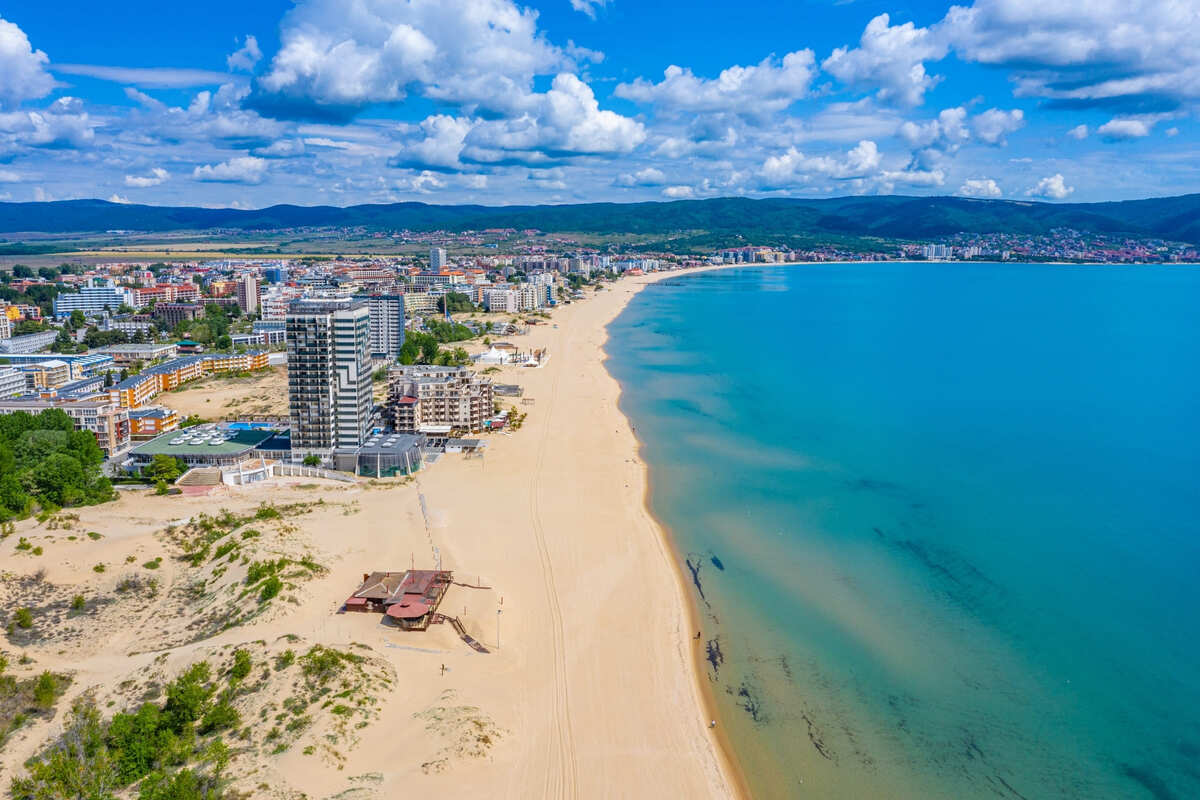
Believe it or not, Bulgaria’s actually known for its long golden-sand beaches and azure waters, so if it’s that Sunny Beach postcard-view you’re looking for, minus the British stag-do crowds, South Beach is your best bet at a relaxing beach day away from the chaos of it all.
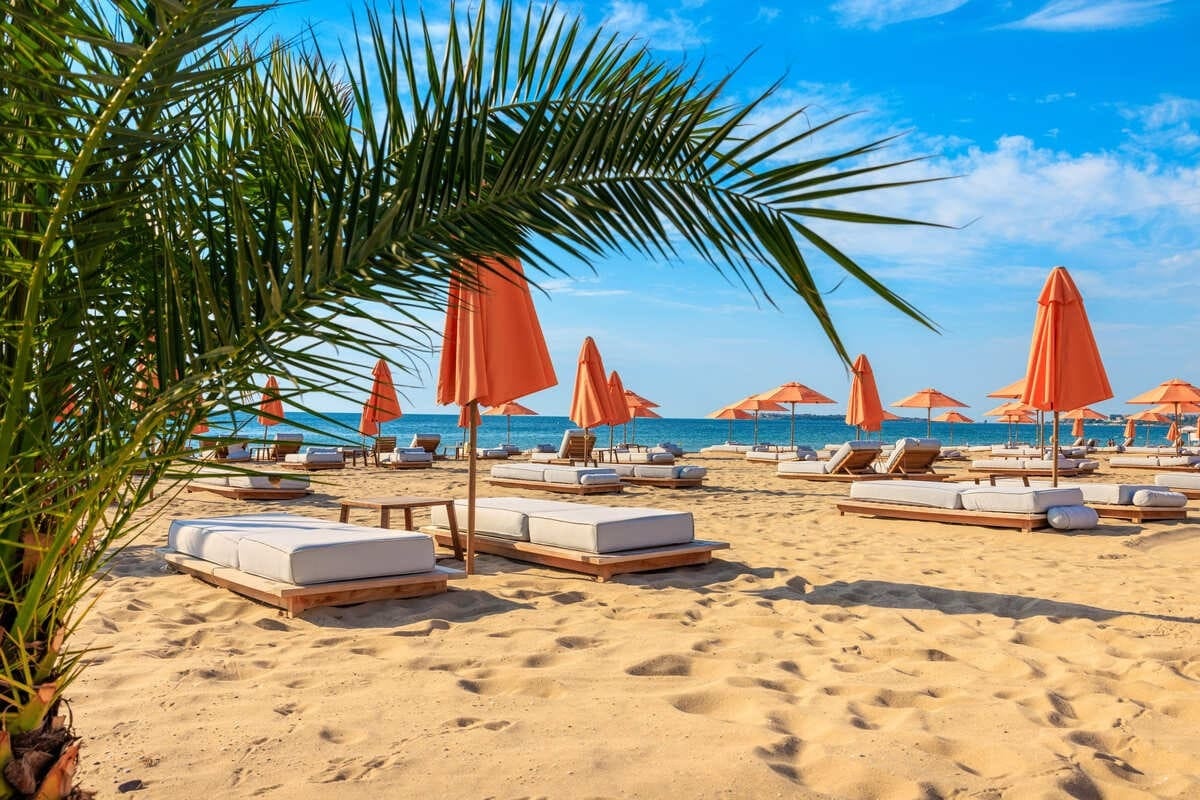
It’s a short walk, easily accessible via the causeway, just across from Old Town, and it has a wide strip of golden sand and calm, shallow waters. The views of the island-town from here are breathtaking as well.
Of course, there’s Sunny Beach, a short 5 to 10-minute drive away depending on which part of the strip you’re headed.
Most visitors actually stay here due to the plethora of beach clubs, bars, and restaurants, and the overall tourist-friendly atmosphere.
On top of that, resorts are shockingly cheap, starting from $70–100 only, but maybe you’ll want to keep your distance if you’re not coming all this way for hectic nightlife scenes and day-drinking.
One thing you do not need to worry about in Bulgaria is safety.
According to the U.S. Department of State, it’s officially a Level 1 destination, meaning Americans can exercise normal precautions when visiting, and as far as the traveler experience goes, it scores an impressive 89 out of 100 on the Traveler Safety Index.
That’s based on reports from recent visitors, FYI:
An Affordable Coastal Getaway
Guesthouses in Old Town Nesebar range from $45 to $80, and I cannot stress this enough, the most memorable experience is actually walking the Historic Center after the Sunny Beach day-trippers have left.
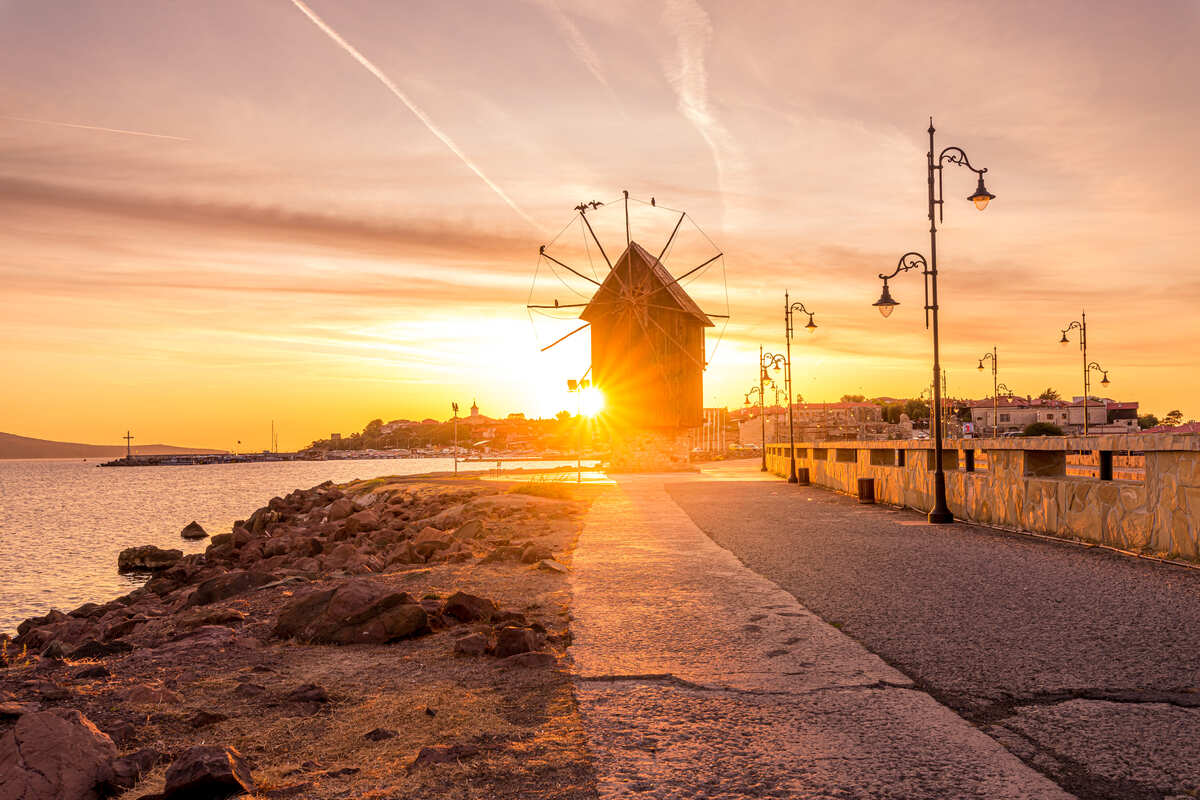
I’m talking around sunset and into the evening, when the cheap souvenir stalls close, the crowds disappear, and the narrow, lamp-lit stone streets become almost eerily quiet.
Apart from, well, the handful of family-run tavernas dishing out traditional Bulgarian pub fare to residents.
On that note, you cannot leave without trying Familia Fish & Grills’ Black Sea fish, or Metropolia’s grilled pork chops. Prices, you ask? How does $35 on average for a generous 3-course meal (drink included) sound?
You probably couldn’t get a bloody starter for under $18 in Old Town Dubrovnik these days.
Can You Fly Nonstop To Nesebar, Bulgaria?
No.
The easiest way to get to Nesebar this season is flying to Burgas International Airport (BOJ), which lies some 12 miles away from the causeway crossing.
It serves the Black Sea city of Burgas, which you can also use as a base for exploring Nesebar and the surrounding coast, and if you’ll be in Europe this summer, you can snag cheap flights there from pretty much every major airport.
For those not renting a car, getting to Nesebar will almost always include a transfer in the city of Burgas itself.
Buses depart from Burgas South Bus Station, next to the main railway station, and they run about every half-hour during the day, especially in summer. The fare is around $4 and you don’t need to book in advance.
Alternatively, taxis from Burgas Airport to Nesebar cost roughly $23–$25 (though you’re advised to confirm the fare before leaving).

