
Nearly 44,000 travelers have been flat-out refused entry into the European Union since the massive rollout of the new digital border control system. It sounds like a total nightmare scenario for anyone packing their bags for a summer getaway across the pond. The idea of flying all the way to Paris or Rome only to be handed a refusal form and put on the next plane home is enough to cause some serious anxiety.

But before you panic and cancel your flights, we need to look at what is actually happening at the border. The truth is, American travelers who play by the rules are not being randomly rejected. The new Entry/Exit System, commonly known as the EES, is drastically changing how you get into Europe, but it is not targeting tourists.
Here is the exact breakdown of why people are being turned away, what is actually causing chaos at the airports, and exactly what you need to do to make sure your entry into Europe goes smoothly.
Also stay tuned to the bottom of the article for an interactive checklist for easy entry!

Why Are People Getting Turned Away?
The European Commission released the hard data on exactly why people are getting rejected, and it all comes down to basic immigration mistakes. You can easily avoid every single one of these traps.
First, over 16,000 travelers were denied entry simply because they could not prove why they were visiting. When you arrive, you have to show that you are going home eventually. These travelers could not provide a standard return flight ticket or even a valid hotel reservation to prove where they were staying.

Second, roughly 8,700 people got flagged because the new database caught them overstaying. Europe has a strict rule that allows people to stay for 90 days within a 180-day period. Because the system is entirely digital now, you cannot hide your past trips. If you have already used up your 90 days, the computer instantly alerts the agent, and you will be sent packing.
The remaining rejections were simply due to expired passports or people using completely fraudulent paperwork to try and sneak in. The system also successfully flagged up to a thousand individuals identified as actual security threats.

What You Actually Need To Enter Europe Now
If you are heading to Europe for a standard vacation or a quick business trip under 90 days, getting through the border is highly straightforward. You just need to have your house in order before you land.
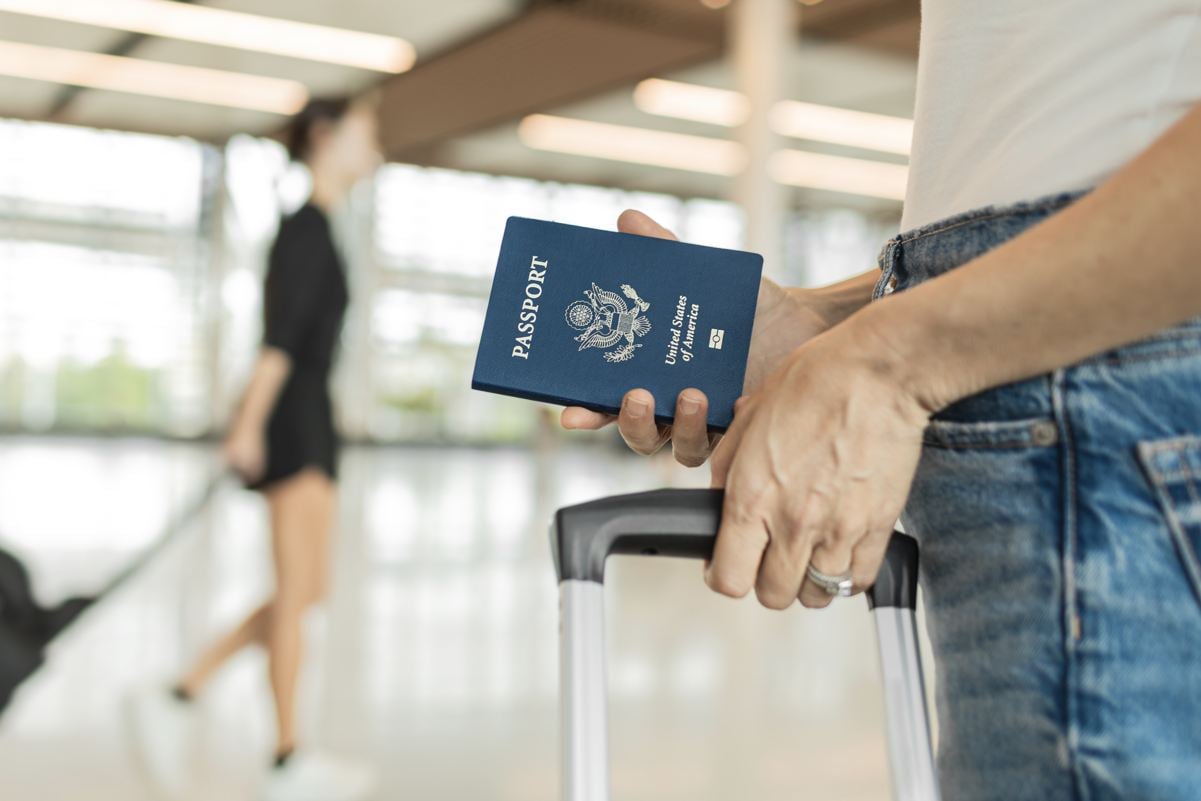
You must have a valid passport, and it needs to be valid for at least three full months beyond the date you plan to leave Europe. Do not cut this close. If your passport expires in two months, you will not get on the plane.
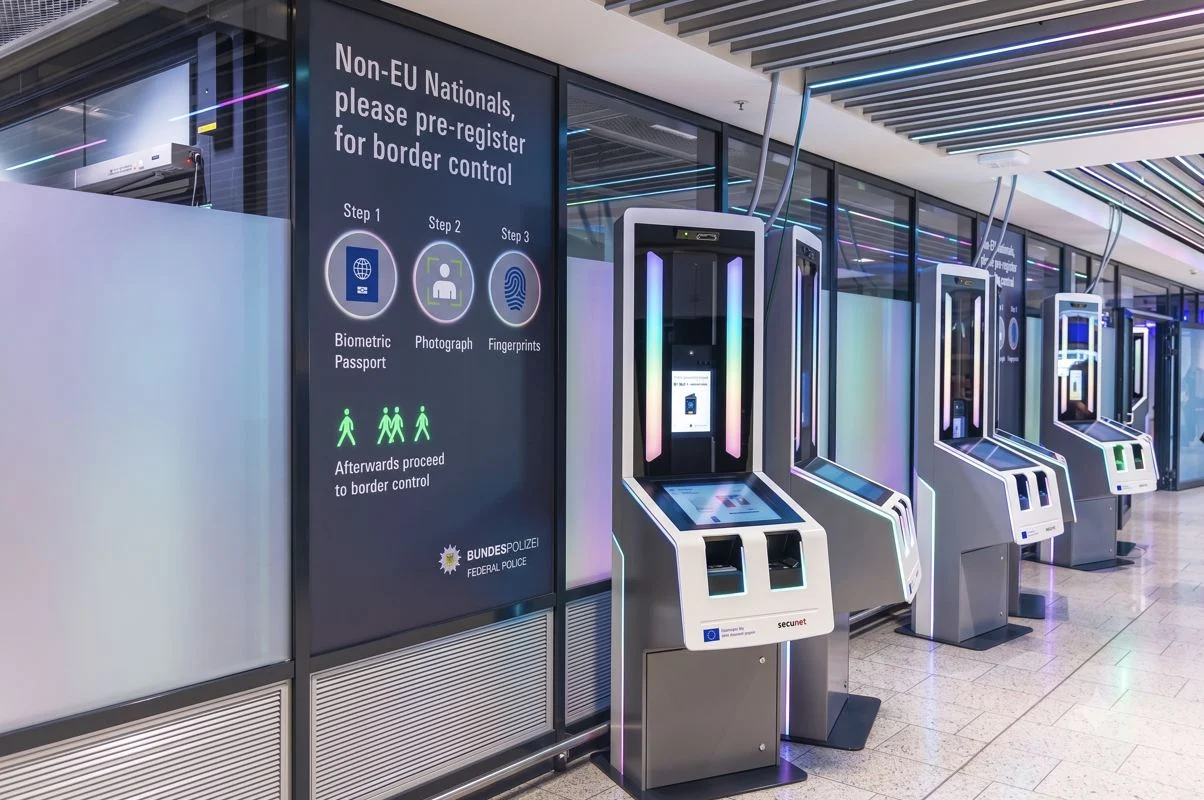
Next, prepare for the new biometric registration. The days of simply handing over your passport to an agent for a quick stamp are over. When you arrive at your first European point of entry, you will be directed to a self-service kiosk. You will need to scan your passport, take a digital facial photo, and scan four of your fingerprints.
Once the kiosk creates your digital profile, you head toward the automated e-gates or a border control counter. If your file is clean, you might breeze right through. However, if the system flags you for any reason, you will be pulled aside for secondary inspection with a human border agent. This is exactly when you will be asked to prove your travel plans. You need to keep your return flight itinerary and your hotel confirmations easily accessible on your phone or printed out in your bag. Do not rely on airport Wi-Fi to load your email. Have screenshots ready to show the border agent immediately if they ask.
As of right now, you do not need to worry about any pre-travel visas. The upcoming ETIAS travel authorization has been delayed, so no online waiver is required today.

The Real Nightmare Is The Wait Time
While you do not need to worry about being rejected if your paperwork is perfectly clean, you absolutely need to worry about the airport lines. Because this first-time biometric registration takes a few minutes for every single person, the major border checkpoints are backing up significantly.
Massive airport hubs like Frankfurt and Amsterdam Schiphol are taking massive hits. During the busy summer travel windows, passengers are reporting peak queues of up to three to five hours just to clear the new digital kiosks. It is causing total chaos for people trying to catch connecting flights.
If you are booking a trip with a layover at your first European stop, you need to pad your schedule heavily. You should make sure you have at least a solid three-hour window to clear border control and make it to your domestic connection.

Relief Could Be Coming For Summer Travelers
The massive lines have not gone unnoticed. Because of the intense pressure from the aviation industry and massive airline associations, the European Union is looking for ways to speed things up. They are currently allowing member states the flexibility to temporarily suspend the heavy biometric collection during extreme passenger spikes.
This means if the airport hall gets dangerously full this summer, border agents might pause the fingerprint scans just to get the lines moving and prevent people from missing their flights.
Regardless of whether they pause the scans or not, the best thing you can do is show up prepared. Have your passport ready, keep your return tickets saved on your phone, and pack a lot of patience. Europe is very much open for business this summer, you just need to know how to navigate the new digital front door.
Valid U.S. Passport
Must be valid for at least 3 months past your intended date of departure from the EU.
Offline Proof of Return
Return flight ticket and accommodation details saved as screenshots on your device.
90/180 Day Compliance
Confirmed that your total days spent inside the Schengen Area will not exceed 90 days.
Biometric Window Allocation
Padded layover flight schedules by a minimum of 3 hours to clear kiosk backlogs.
You Are Prepared For Entry!
